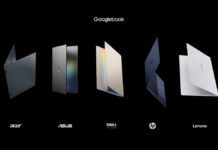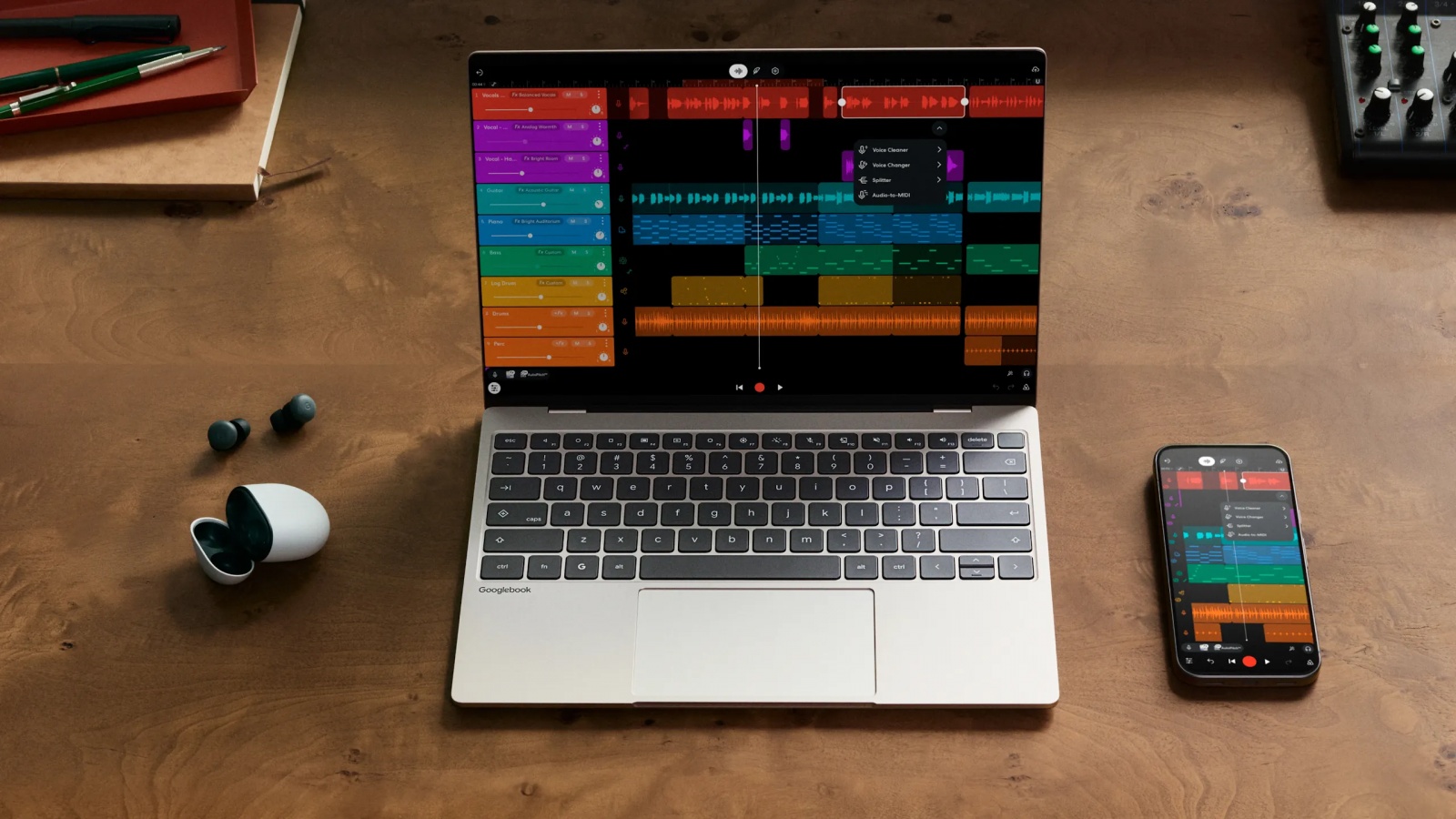
Google’s Googlebook initiative is less about adding another laptop label and more about reducing the friction between an Android phone, a large-screen tablet, and a notebook. The platform is built on Android technology while retaining desktop-oriented elements from ChromeOS, including a full desktop Chrome browser, extensions, Linux support, and ChromeOS-derived security architecture.
For mobile-computing users, the practical promise is continuity rather than a completely separate PC environment. A Googlebook can bring over phone settings, passwords, Wi-Fi networks, messages, and files during setup. Google also describes features designed to resume activity from a phone, access mobile files, and use phone apps in laptop windows. Android apps arrive through Google Play alongside the desktop-class Chrome experience, while Gemini is intended to span the wider device ecosystem.
A role for the tablet between phone and laptop
That approach could matter most for Android tablets and convertibles. Rather than treating a tablet as an isolated large-screen Android device, Google’s broader direction suggests a common foundation across phones, tablets, and laptops. A tablet can sit naturally between the always-carried phone and a keyboard-first notebook, particularly if apps, files, settings, and in-progress work travel more smoothly across screens.
There is no confirmation of a Pixel Tablet 2. Still, Google job postings have continued to reference future Pixel phones and tablets, indicating that tablets remain part of the company’s technical planning. The original Pixel Tablet has also recently disappeared from the Google Store, but that alone does not establish a replacement product or launch timetable.
Not simply a Chromebook with Gemini
Google already had ChromeOS for laptops, so choosing Android as the underlying technology signals a longer-term ecosystem play. Android supplies the application base, developer community, and, crucially, the phone that many prospective laptop buyers already use. The result is different from merely adding AI features to an existing Chromebook: Googlebook is meant to build the PC around the Android experience.
The first Googlebook models are reported to start at $899 and use Intel or Qualcomm processors with neural processing units rated above 45 TOPS. Google has promised up to 10 years of updates. U.S. model availability, complete configurations, and launch timing were not specified in the available material.
- Acer is among the announced Googlebook hardware partners.
- ASUS is among the announced Googlebook hardware partners.
- Dell is among the announced Googlebook hardware partners.
- HP is among the announced Googlebook hardware partners.
- Lenovo is among the announced Googlebook hardware partners.
Google is chasing ecosystem value, not identical platforms
Apple has shown why device handoff can be a meaningful product advantage. Its Continuity tools let users continue tasks between iPhone, Mac, and iPad; Universal Clipboard moves text and images across devices; and an iPhone can serve as a Mac camera. Googlebook does not duplicate Apple’s operating-system structure, but it pursues a related outcome: making each device more useful when it is part of the same account, app, and service environment.
Microsoft takes a different route with Windows and Android. Phone Link can surface a phone’s messages, calls, and other data on a PC, while Link to Windows is preinstalled on certain Android devices. But Microsoft does not control the phone operating system, whereas Google controls Android and is now extending that foundation toward laptops.
For tablet users, the key question is whether Googlebook’s cross-device features prove reliable enough to make Android large screens feel like part of a continuous workspace rather than an optional third device. The platform appears aimed at Android users who want a laptop that starts from their mobile setup, not a standalone computer that only occasionally connects to their phone. Whether that strategy also leads to a new Google-built tablet remains unknown.
Post Footer automatically generated by Add Post Footer Plugin for wordpress.