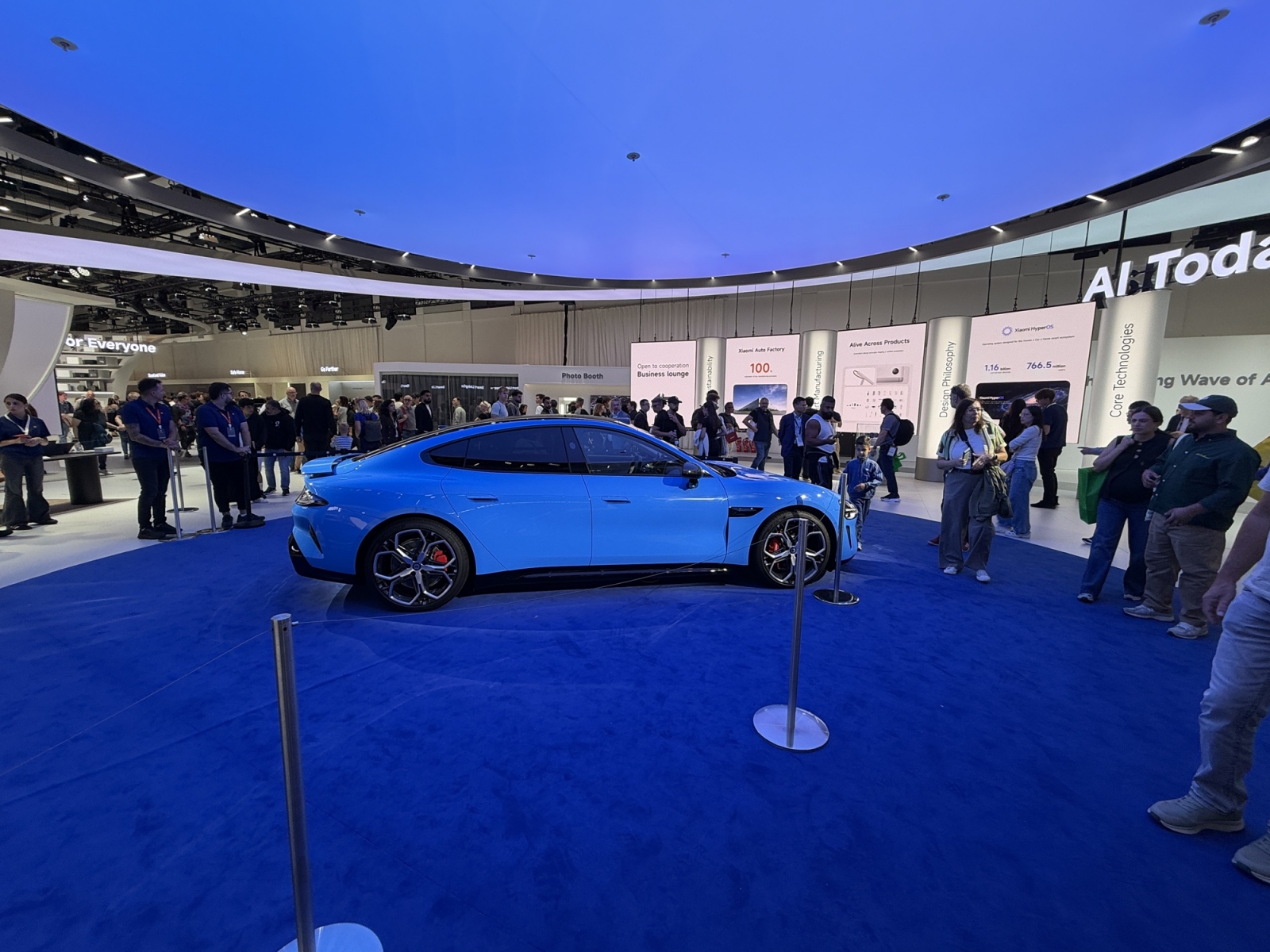
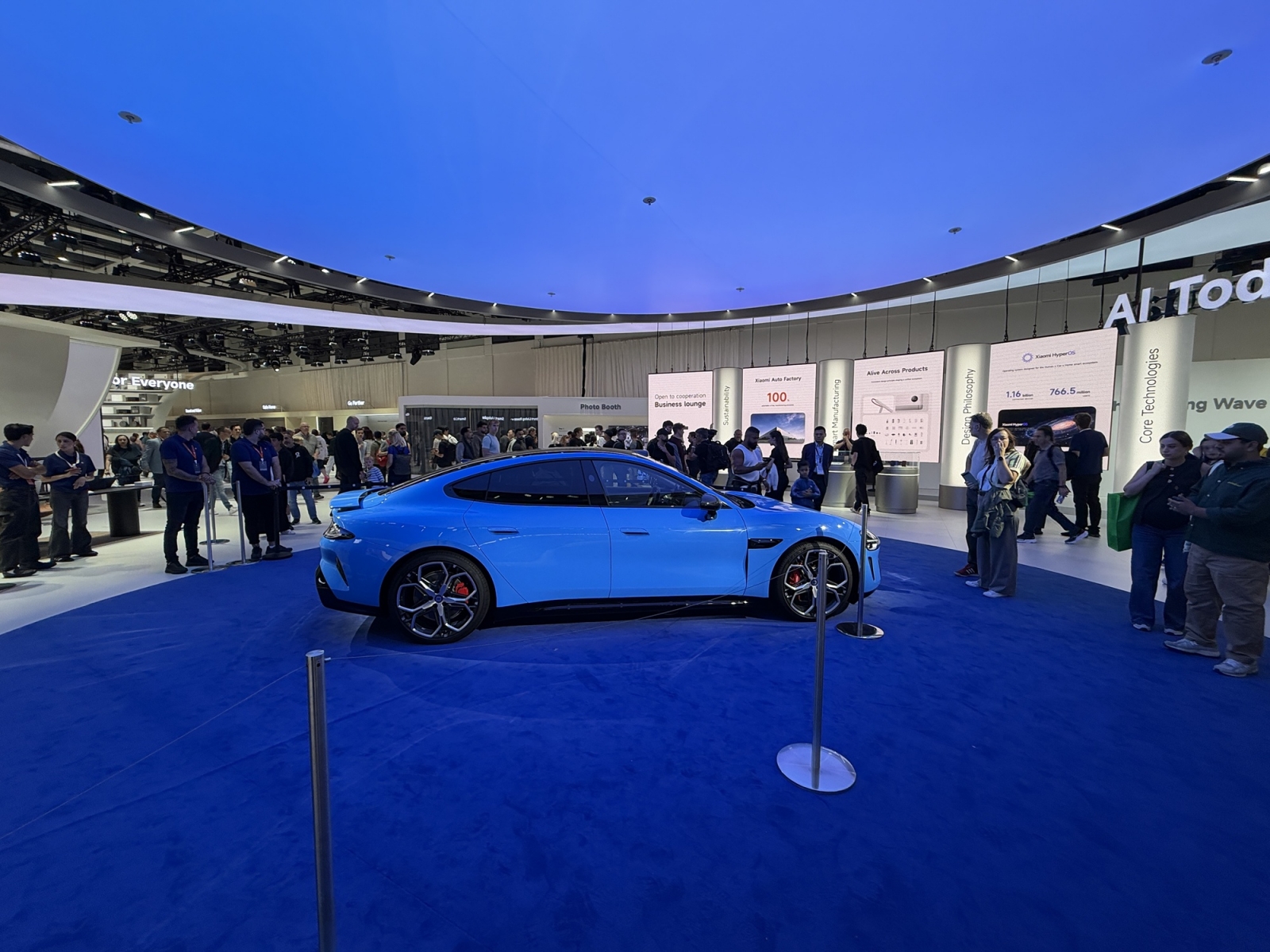
A foldable phone and a tablet may have been the most familiar mobile-computing products at Xiaomi’s IFA 2026 booth, but they were part of a much larger pitch: your handheld device is meant to become the control center for an ecosystem that stretches from door locks and robot vacuums to appliances and, eventually, cars. Xiaomi filled more than 3,300 square meters at its first IFA appearance with over 380 products under its “Human × Car × Home” umbrella.
For tablet and phone users, the practical idea is straightforward. Devices connected through HyperOS and the Xiaomi Home app can share one account and participate in common automations, turning a phone or tablet into a portable dashboard for connected home hardware rather than simply another screen in the lineup.
Pad 8 and Xiaomi 18 Fold represent the mobile side




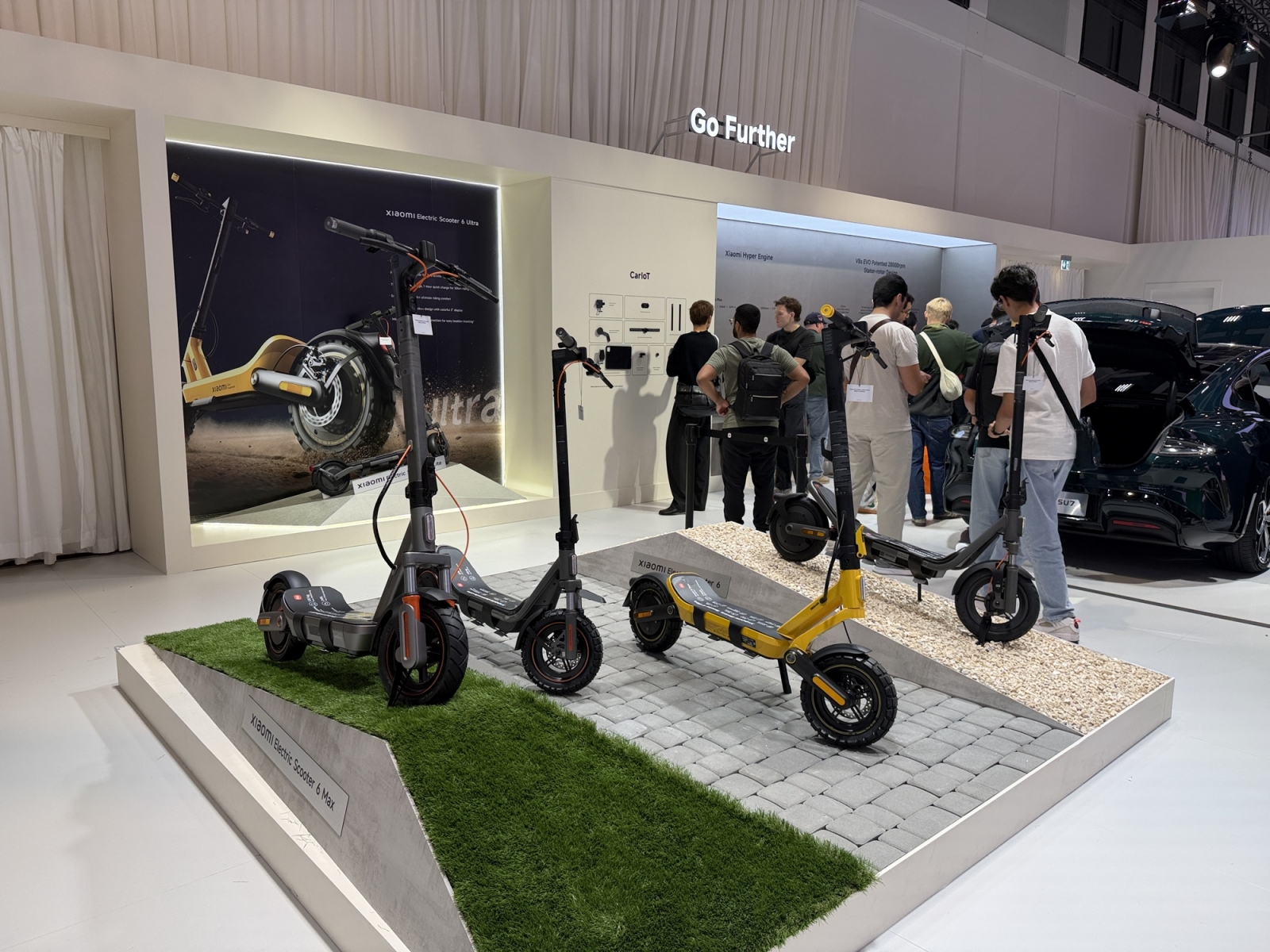
Xiaomi showed the Pad 8 with a keyboard and stylus, positioning it within a broader collection of personal devices that also included headphones, watches, fitness bands, and scooters. The company did not provide further Pad 8 specifications in the exhibition material, but its keyboard-and-pen setup reinforces the productivity role Xiaomi is assigning to its larger-screen hardware.
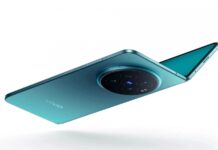
The Xiaomi 18 Fold drew particular attention, though it remained behind glass rather than being available for hands-on use. The foldable has a wider, shorter shape than the Galaxy Z Fold8, three rear cameras, and Xiaomi’s XRING O3 chipset. At the time of the IFA presentation, Xiaomi had scheduled its China debut for September 7. There is no confirmed U.S. release, price, or launch timetable.
Nearby, Xiaomi also displayed the 17 Pro and 17 Pro Max, both of which have a secondary rear display. A Xiaomi representative said the phones were expected to reach Europe, but the company had not publicly confirmed that plan at the time. Those Pro models and their rear displays have largely remained China-focused products, so any broader rollout should be treated as unconfirmed.






A connected-home push aimed at Europe
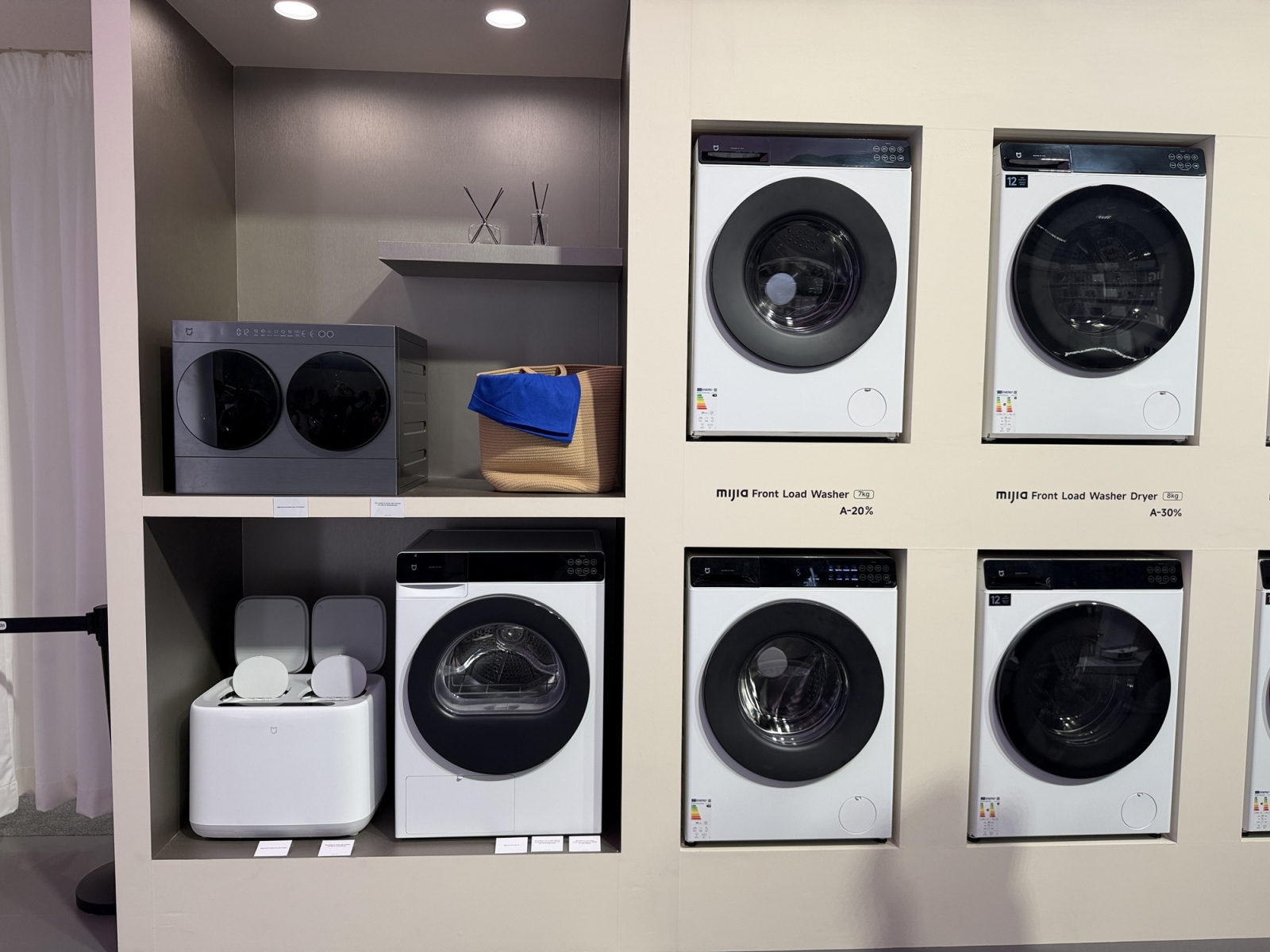
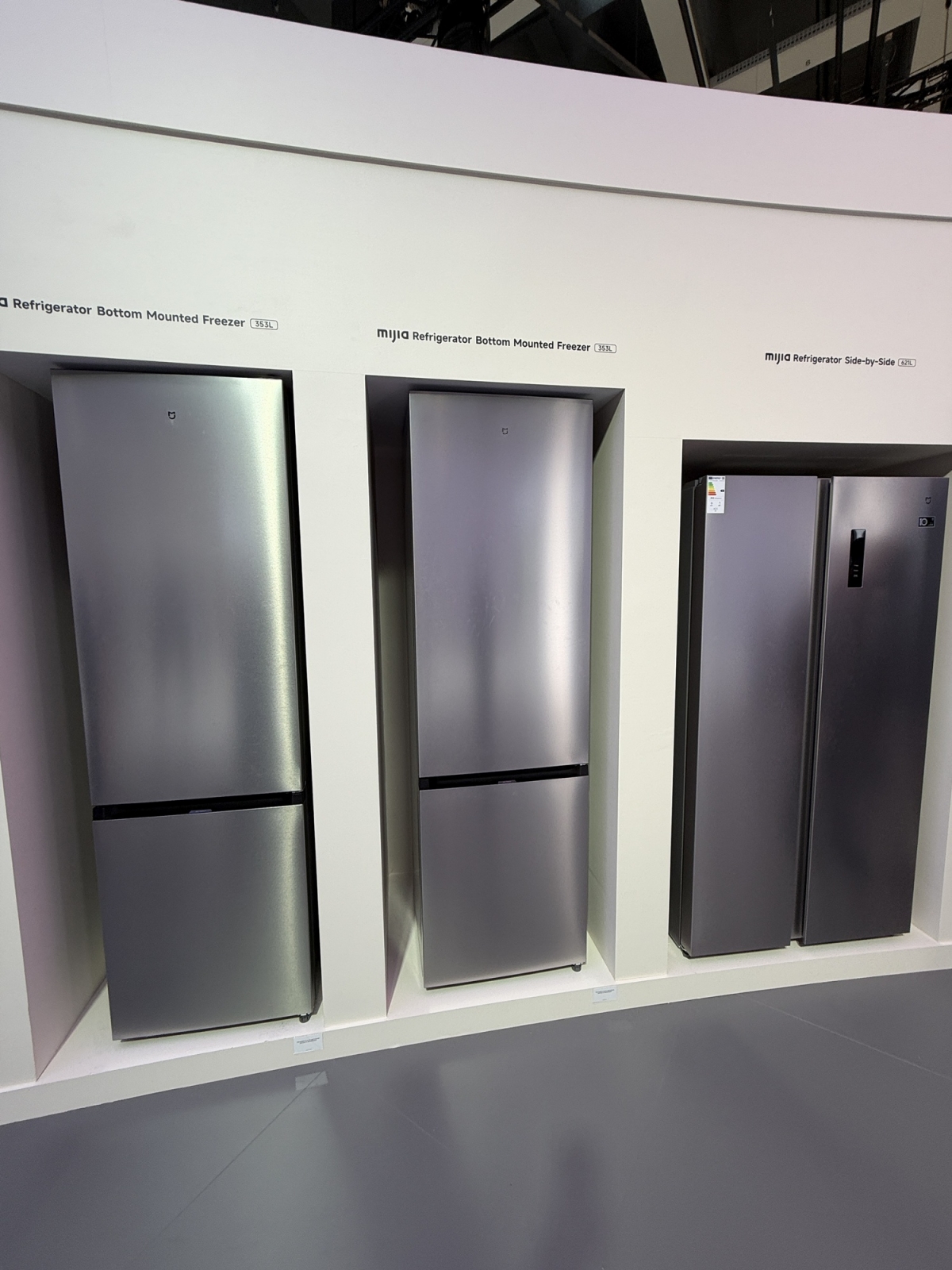
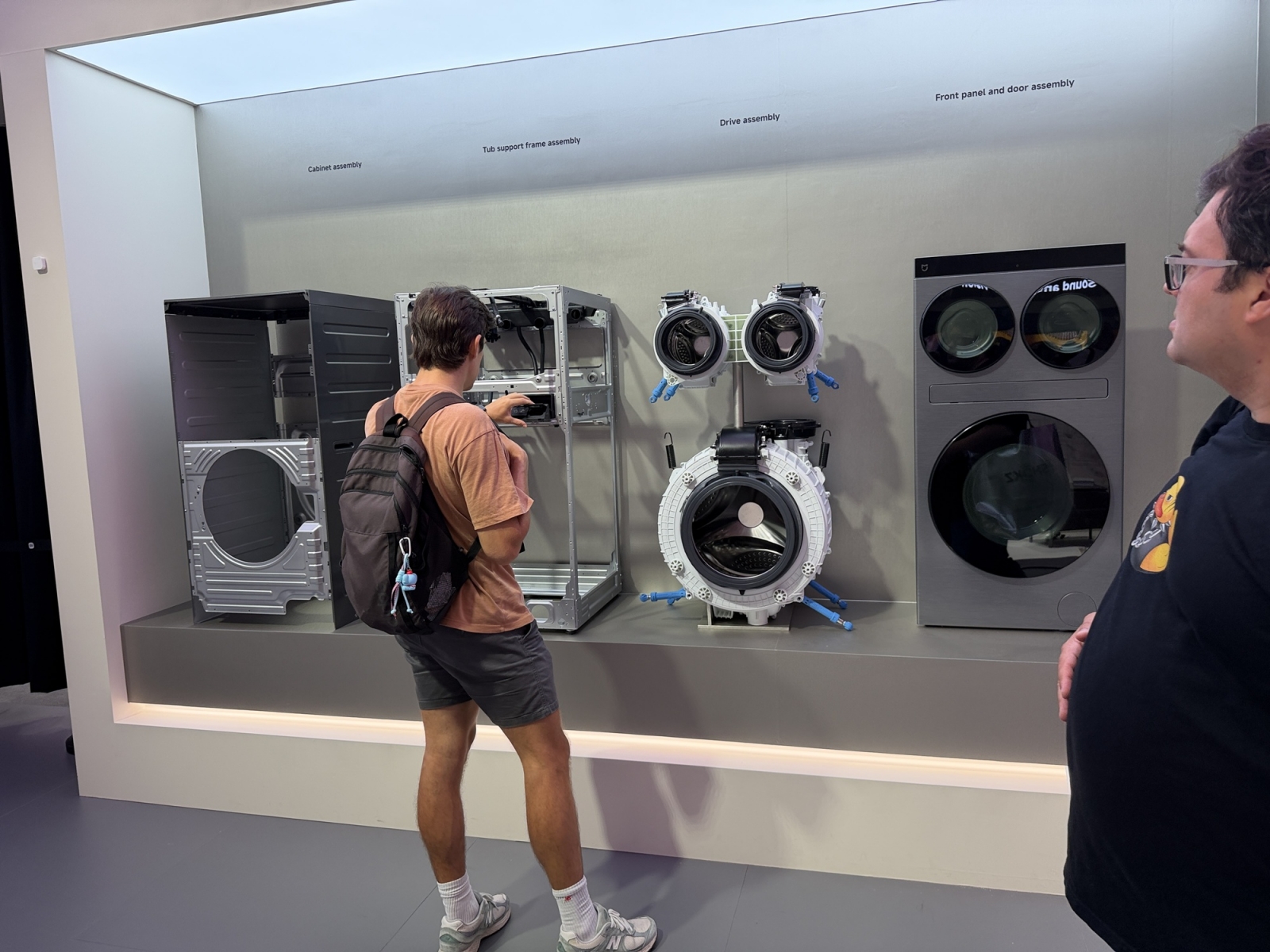
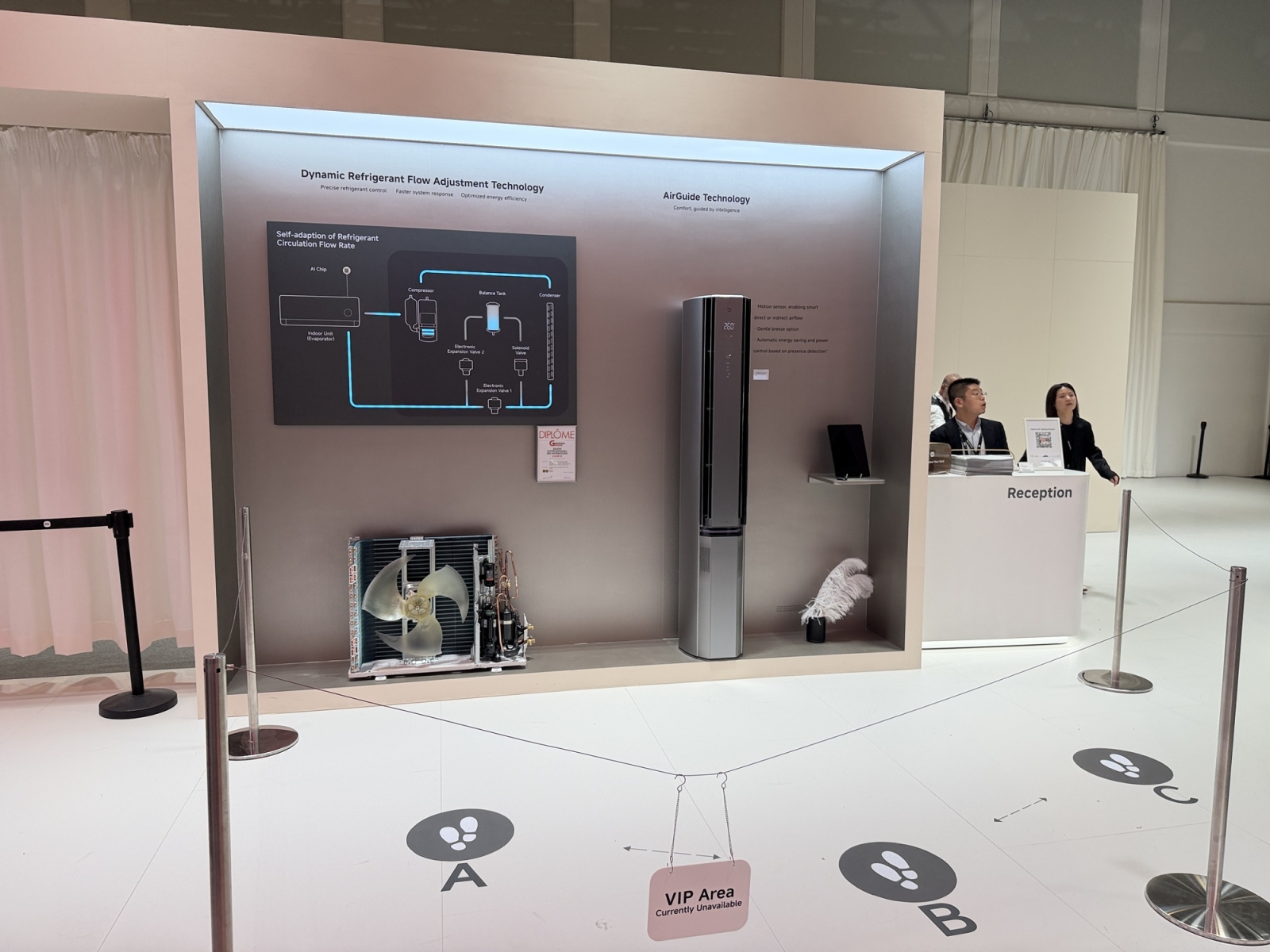
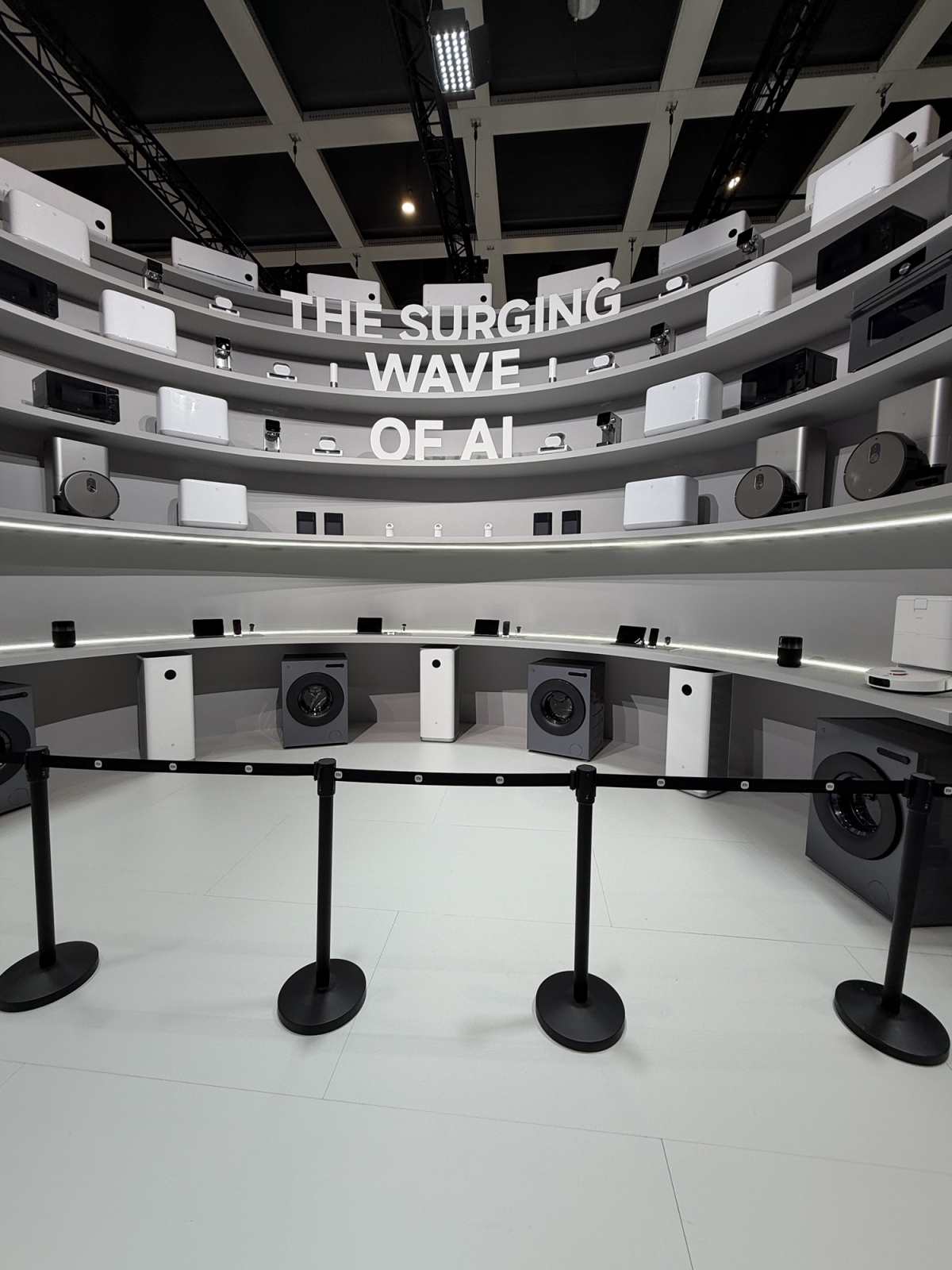
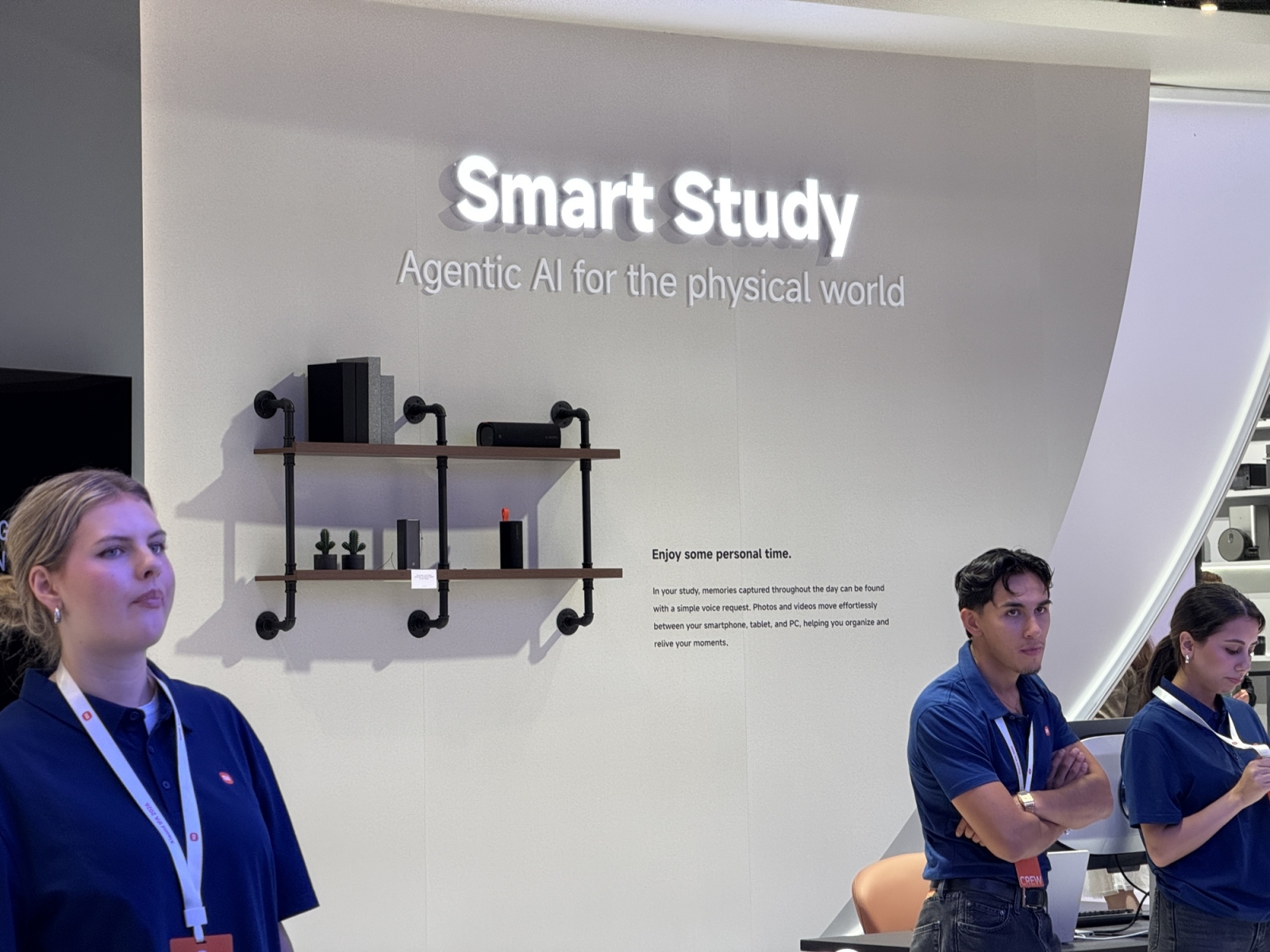
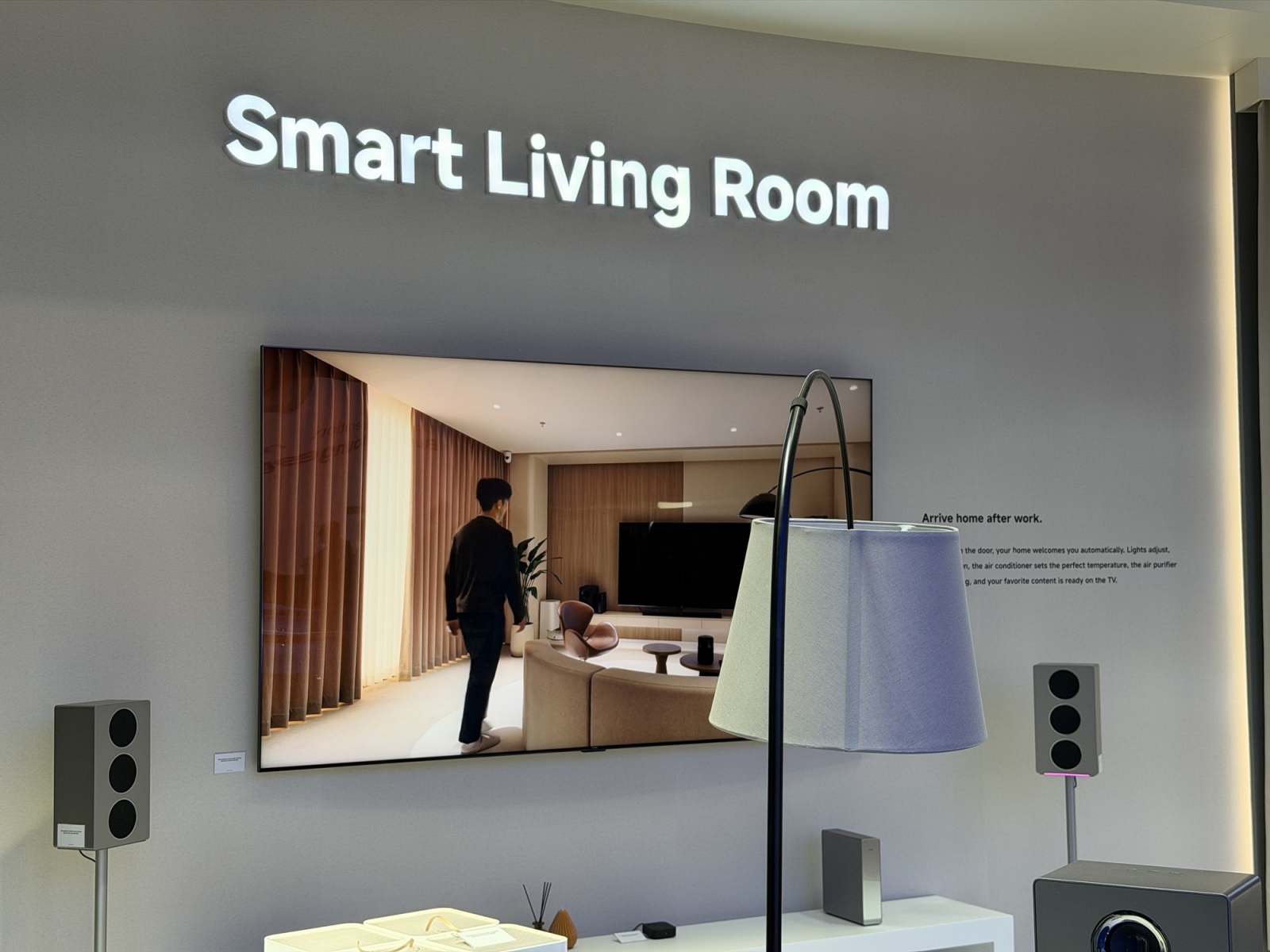
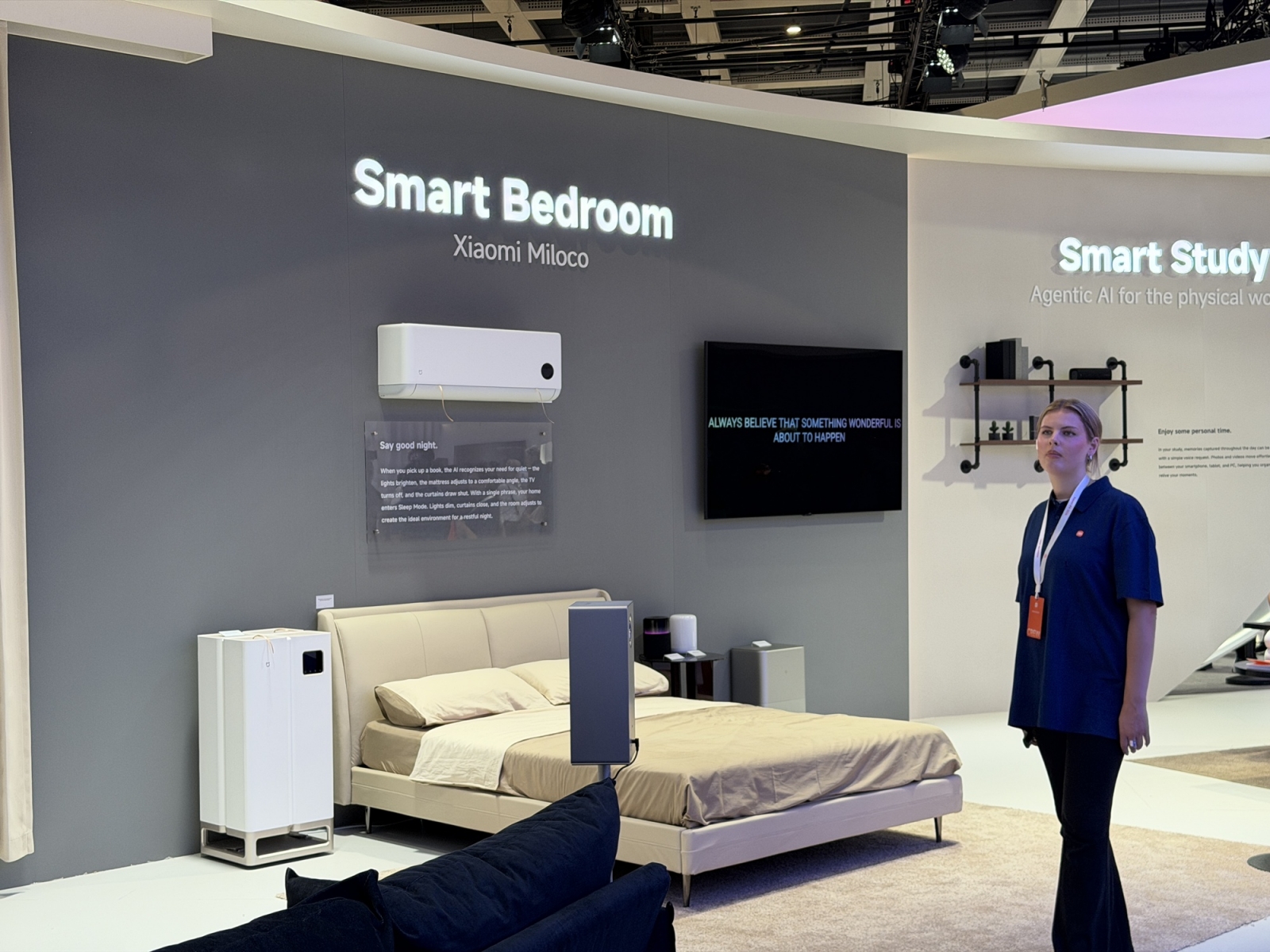
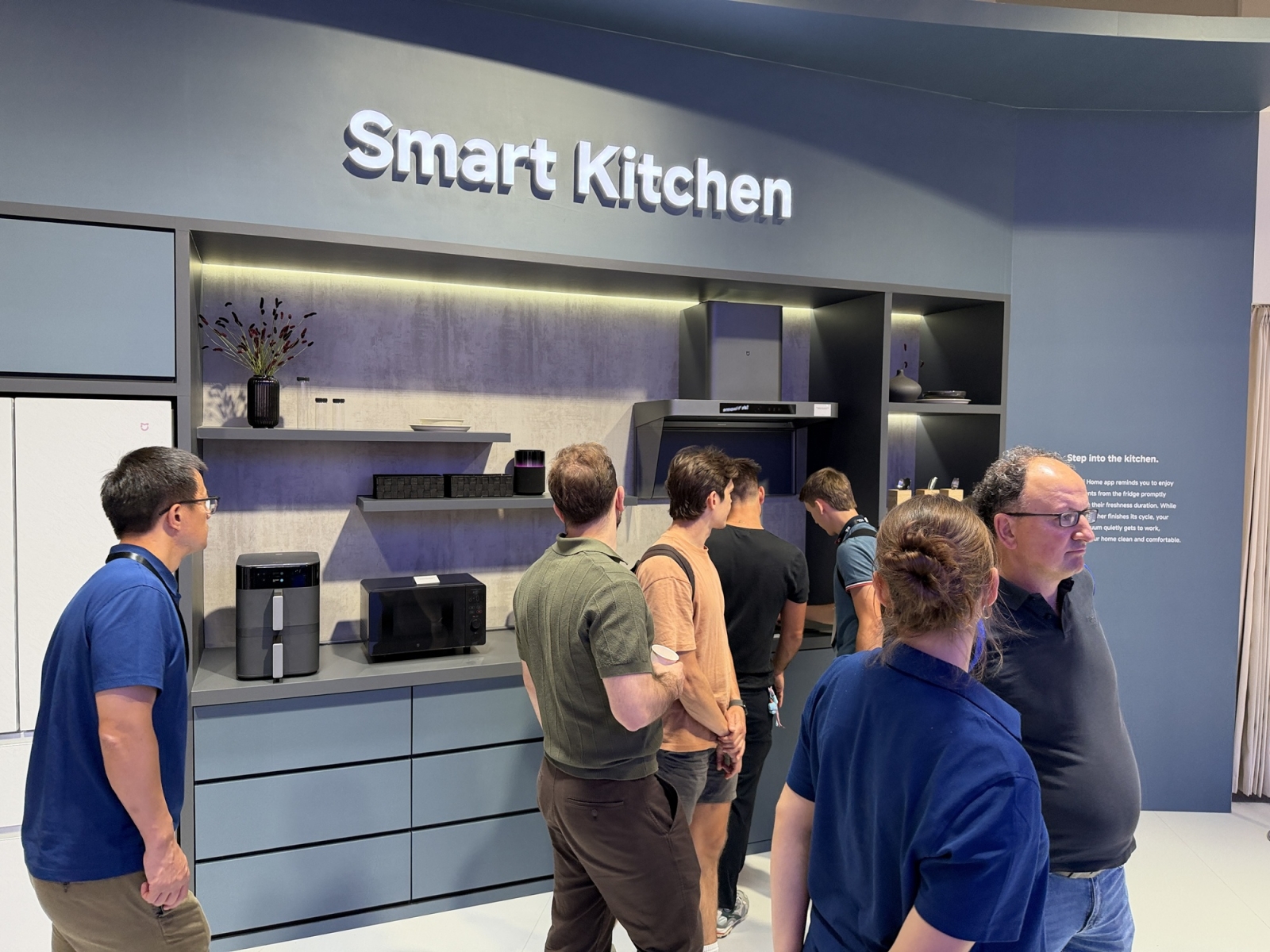
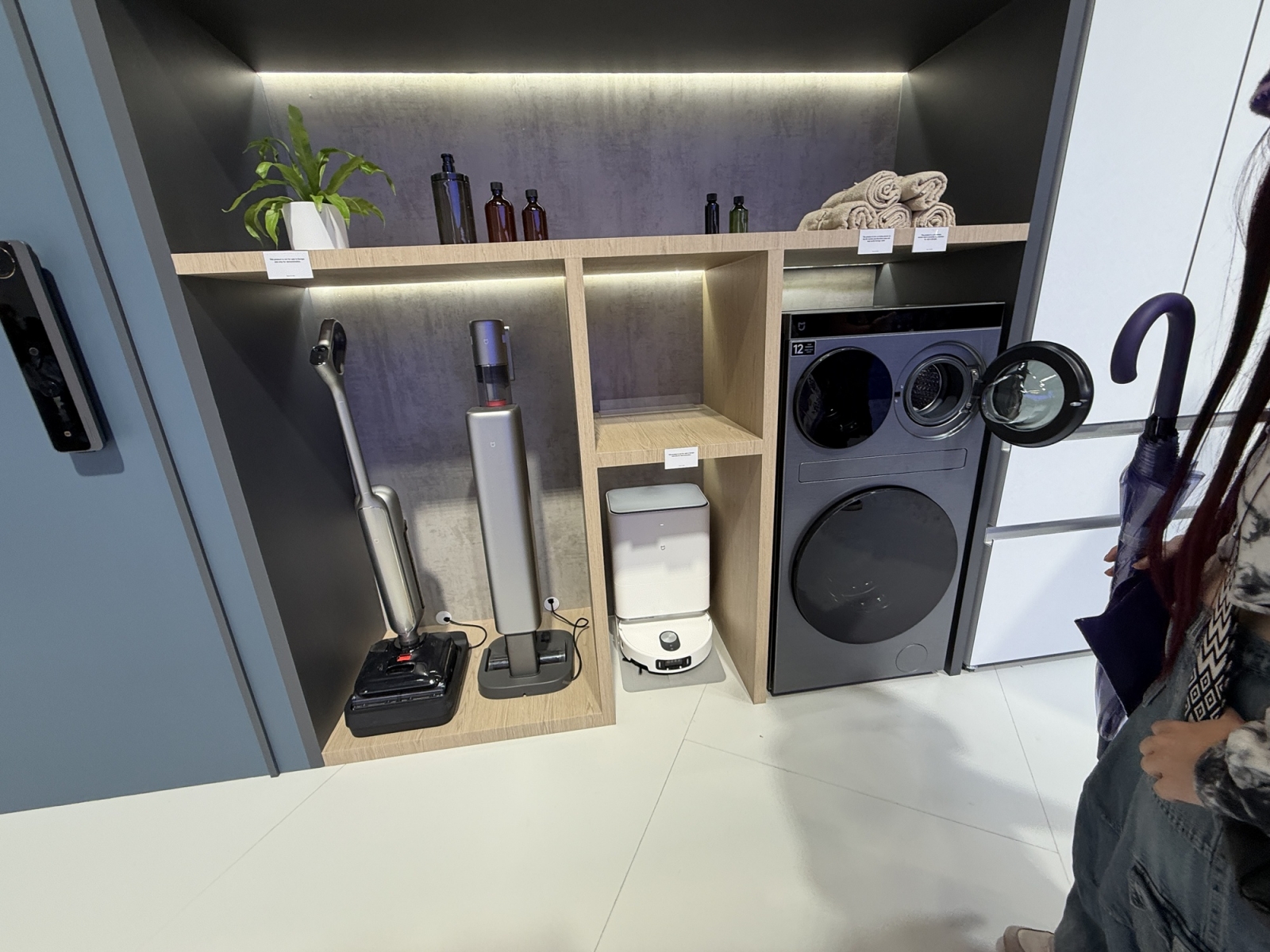
The more immediate expansion is Mijia’s European push. Xiaomi staged room-scale smart-home demonstrations covering kitchen appliances, climate control, entertainment, cleaning, and security. The Mijia Cross Door refrigerator, for example, has a 502-liter capacity, a 60-centimeter-deep body, an i Fresh compartment adjustable from -1 to 5 degrees Celsius, and Xiaomi Home controls.
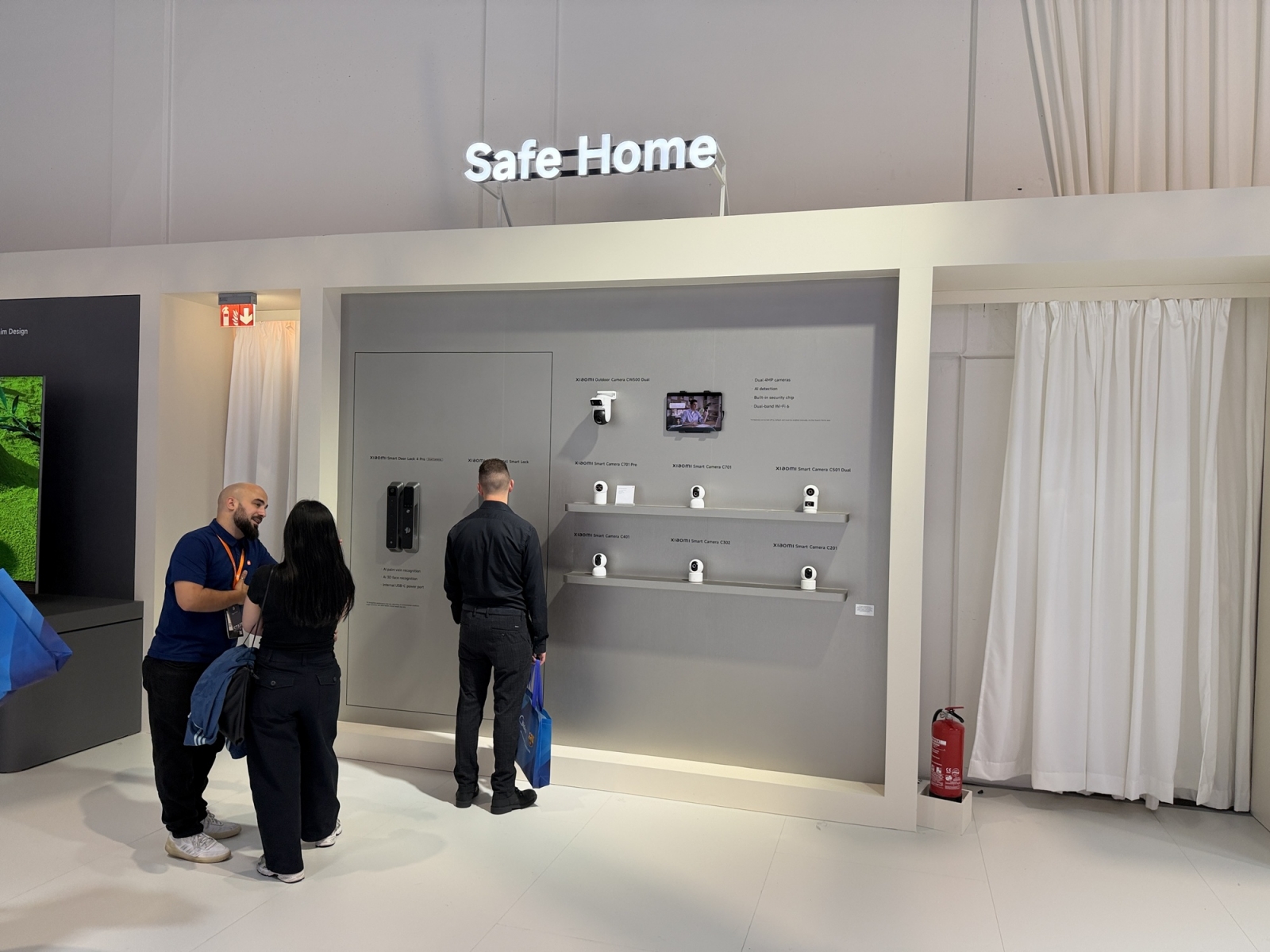
Other connected-home hardware included the Mijia Air Conditioner Pro Eco, which uses an AI mode intended to reduce energy use and directs airflow away from the user. Xiaomi also showed cameras, video doorbells, and the Smart Door Lock 4 Pro. Along with a camera, facial recognition, fingerprint, NFC, and passcode access, the lock can identify a person by palm-vein recognition.

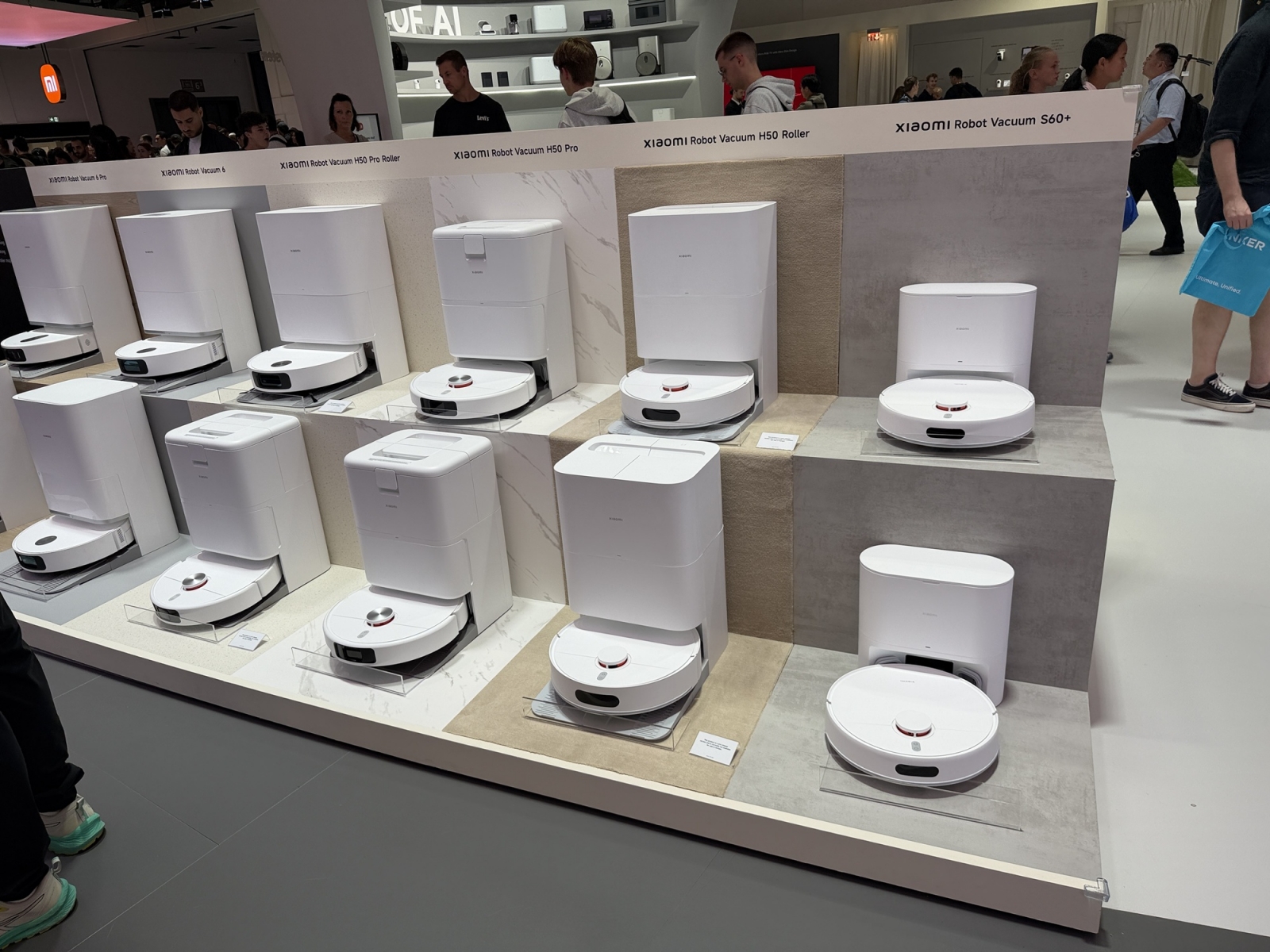
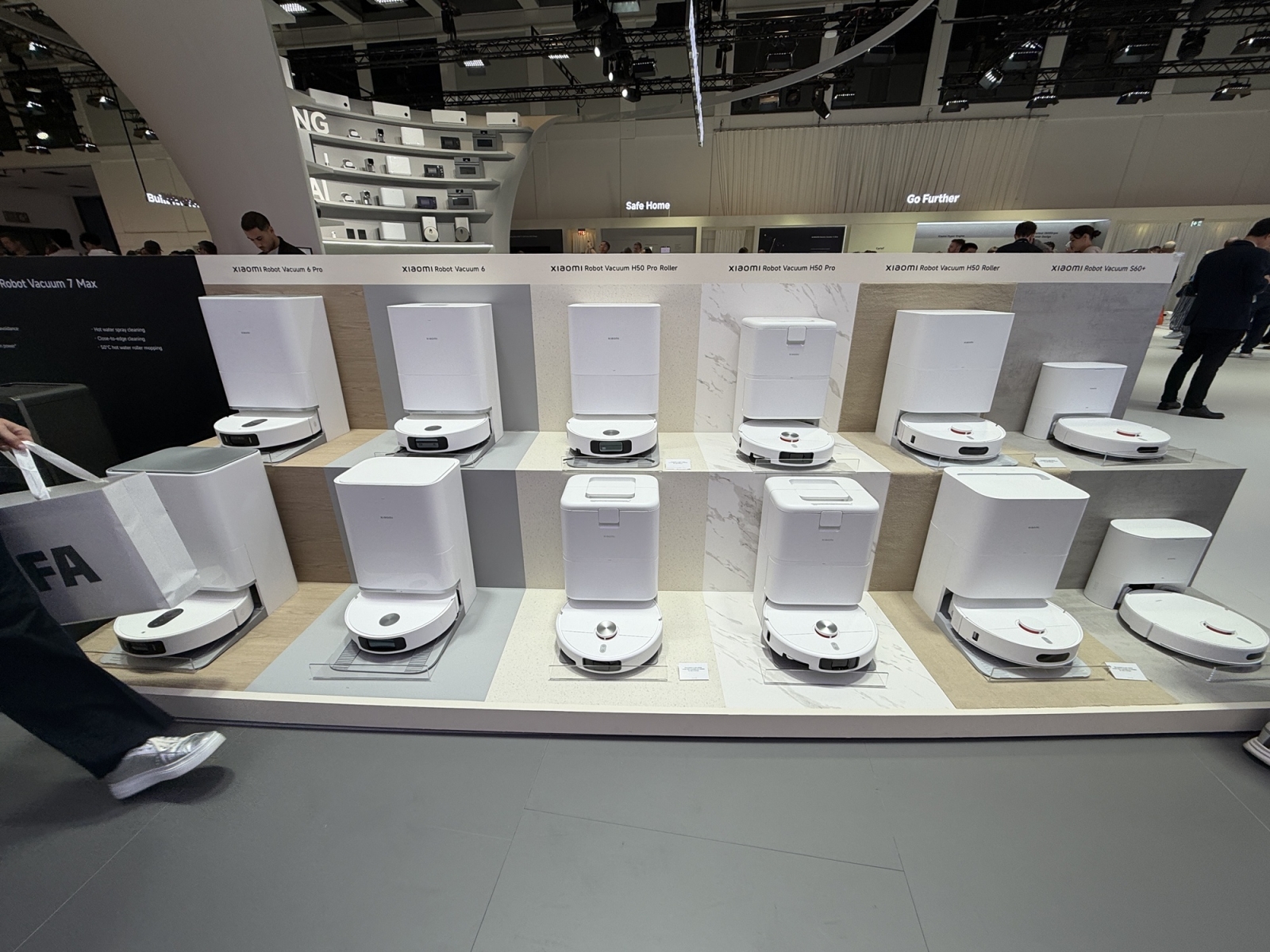
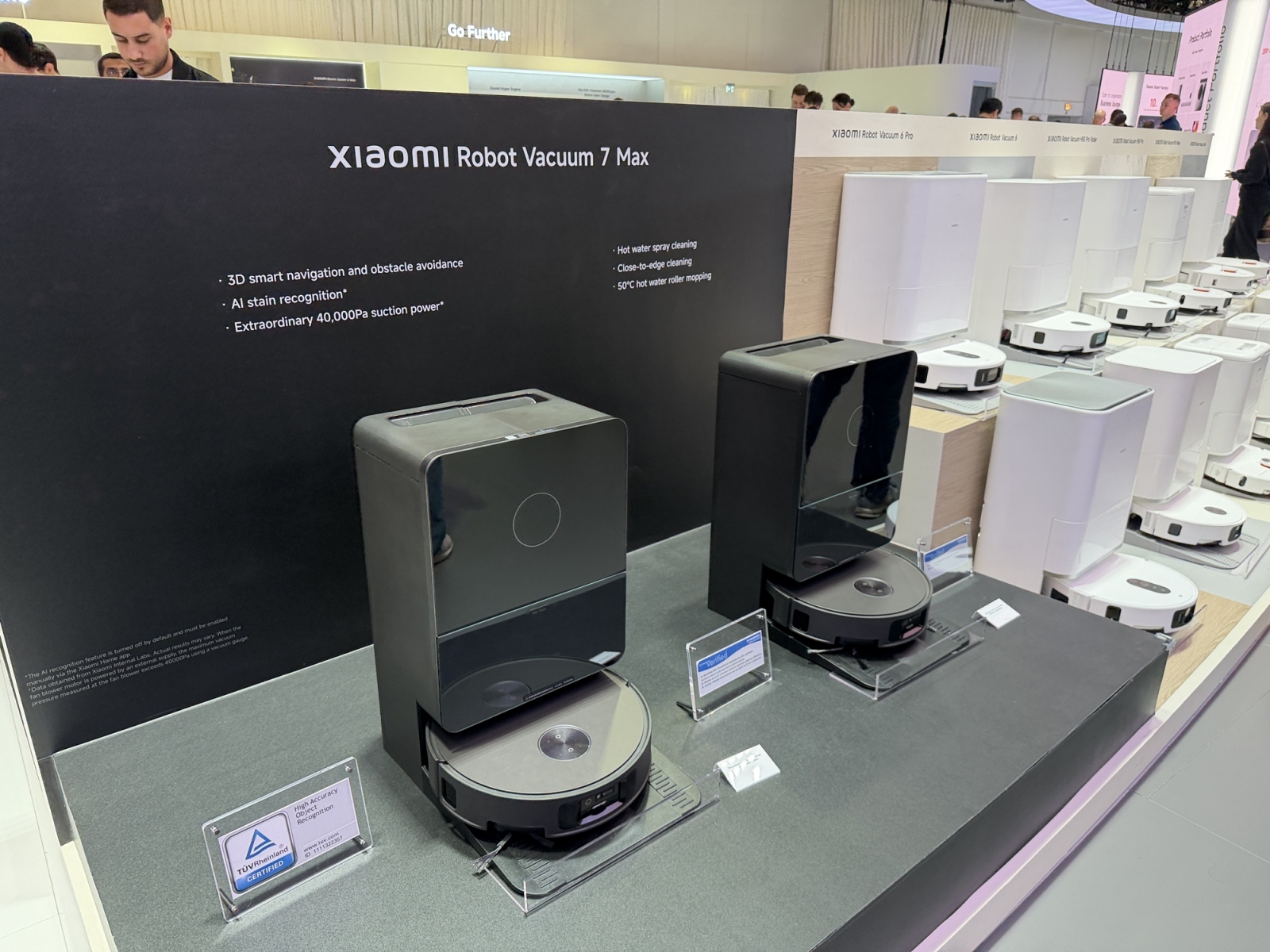
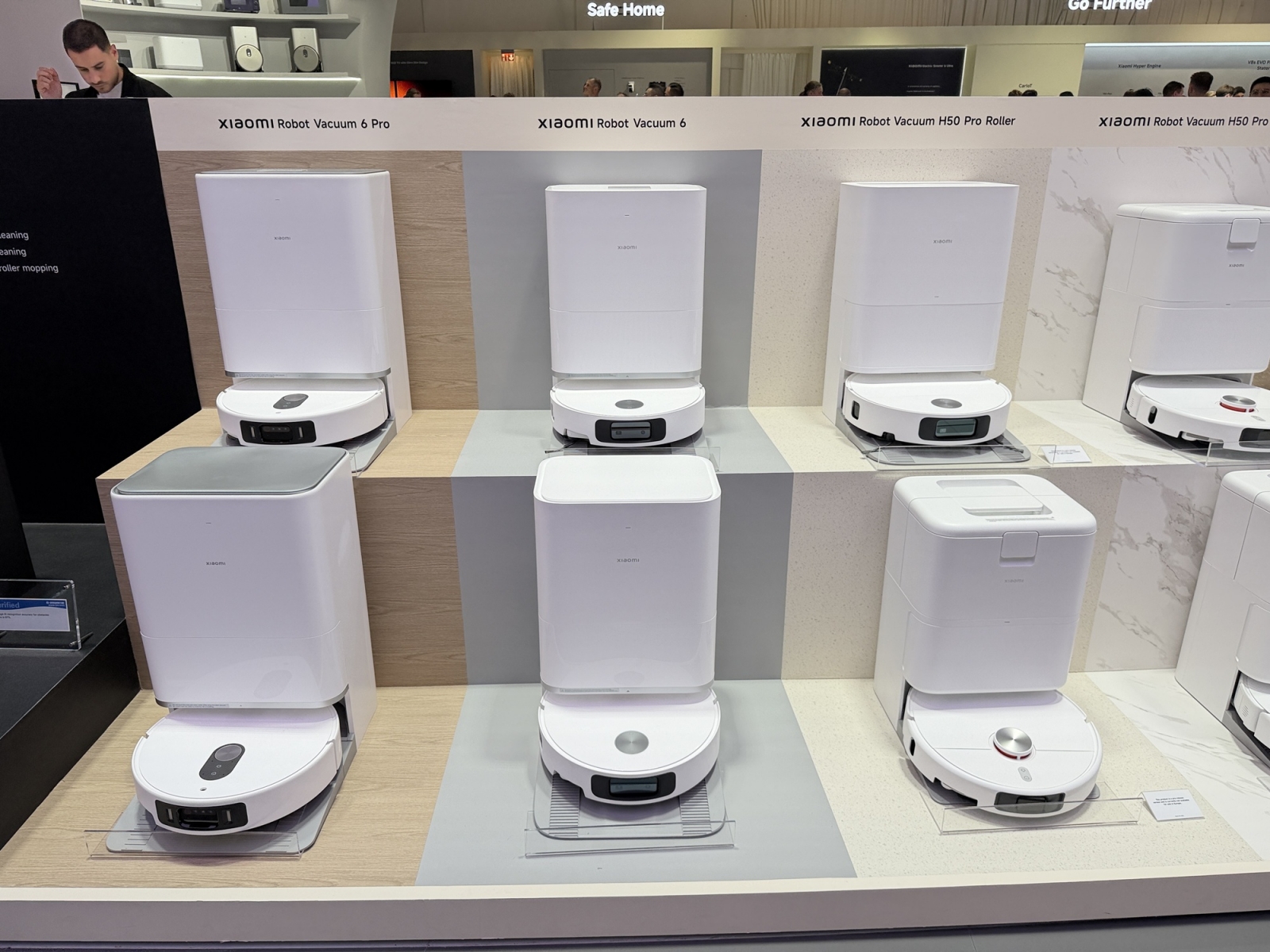
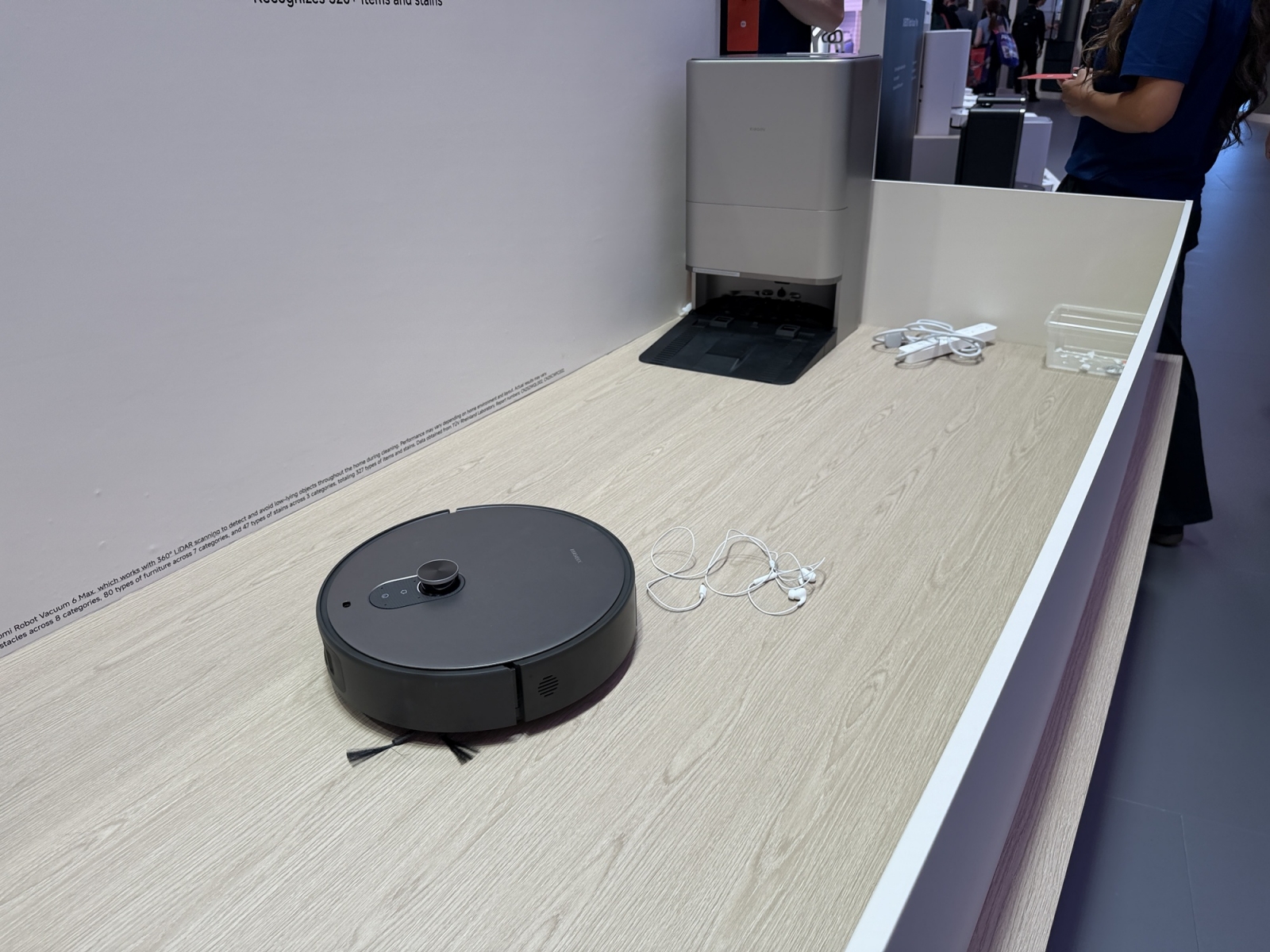
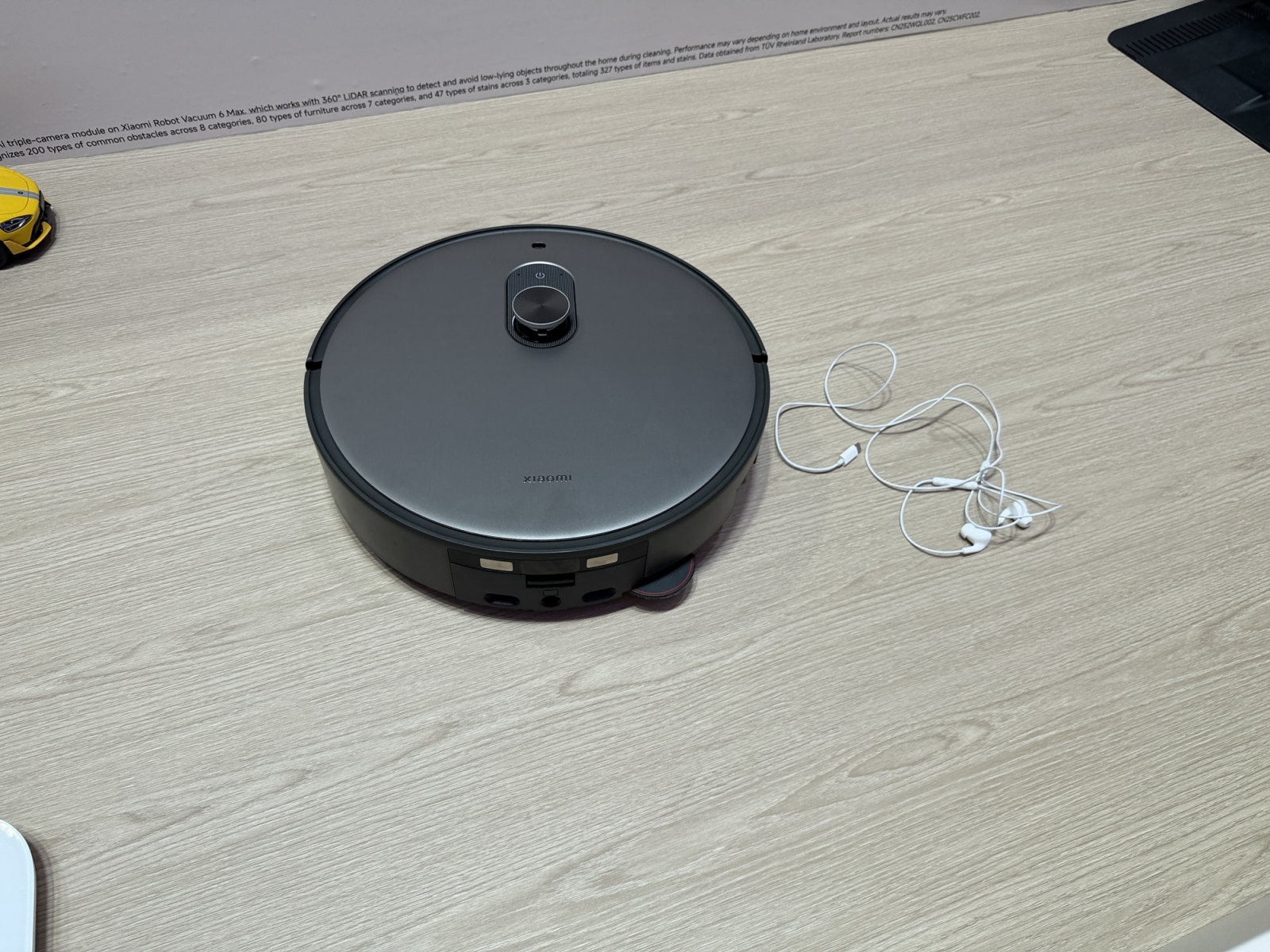
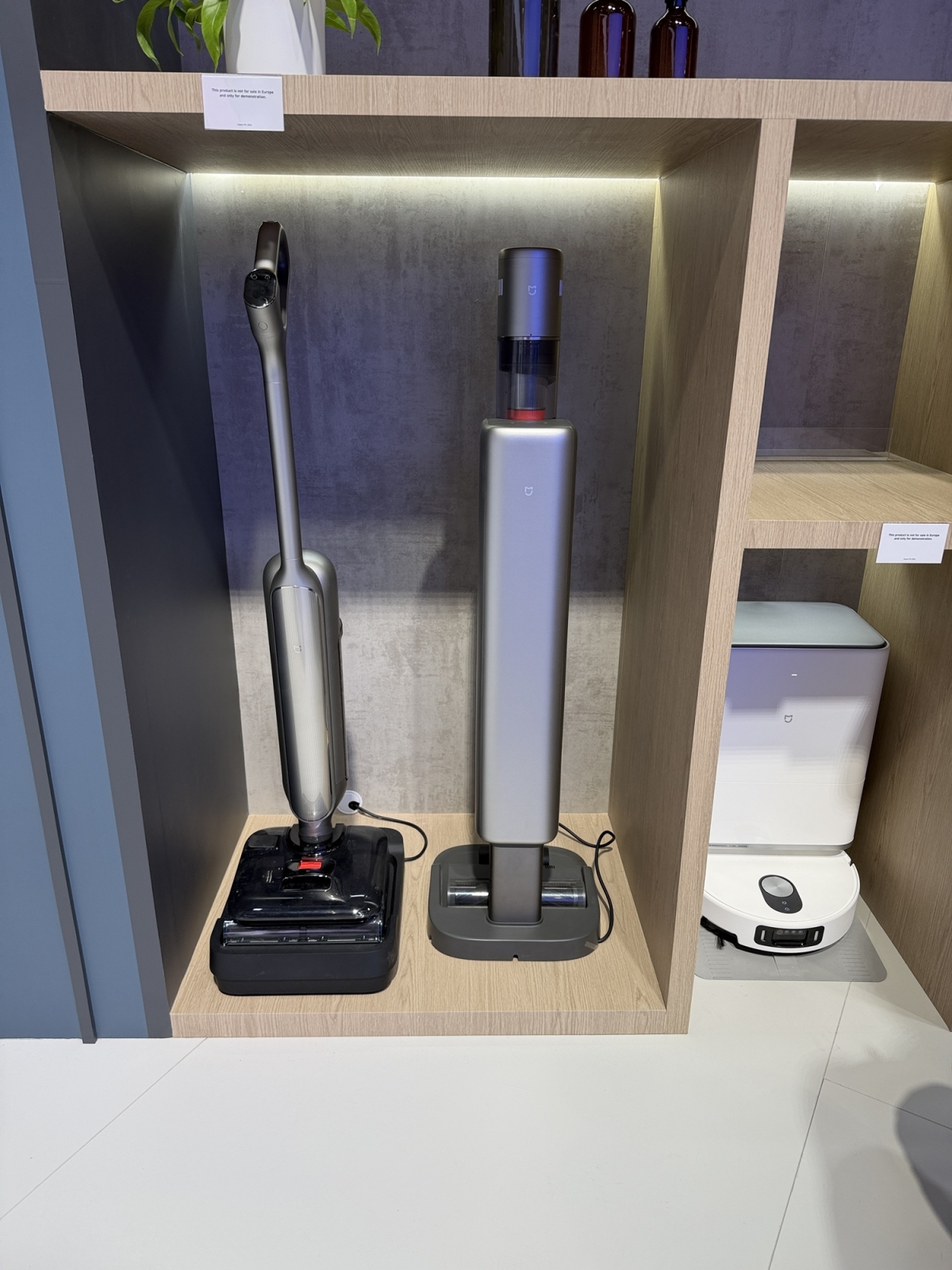
For cleaning, Xiaomi highlighted the Robot Vacuum 7 Max, an IFA Innovation Award recipient. Xiaomi did not publish a complete global specification sheet for the model at the time of the showcase. The company also demonstrated the Mijia Wireless Wet Dry Vacuum 5 Pro, a separate product from the Truclean W20. The 5 Pro is rated for up to 26,000 Pa of suction, uses steam up to 160 degrees Celsius, and can clean its roller with 100-degree-Celsius water.
Screens, cars, and the scale of Xiaomi’s ambition
Xiaomi’s TV area included a slim Micro RGB technology demonstration with a matte surface designed to cut reflections. It was shown as a technology demo, not a named retail product with an announced release schedule. The Xiaomi TV S Pro Mini LED 2026 was also present, with QD-Mini LED, a native 144Hz refresh rate, and a Game Boost mode that can raise the refresh rate in certain modes.

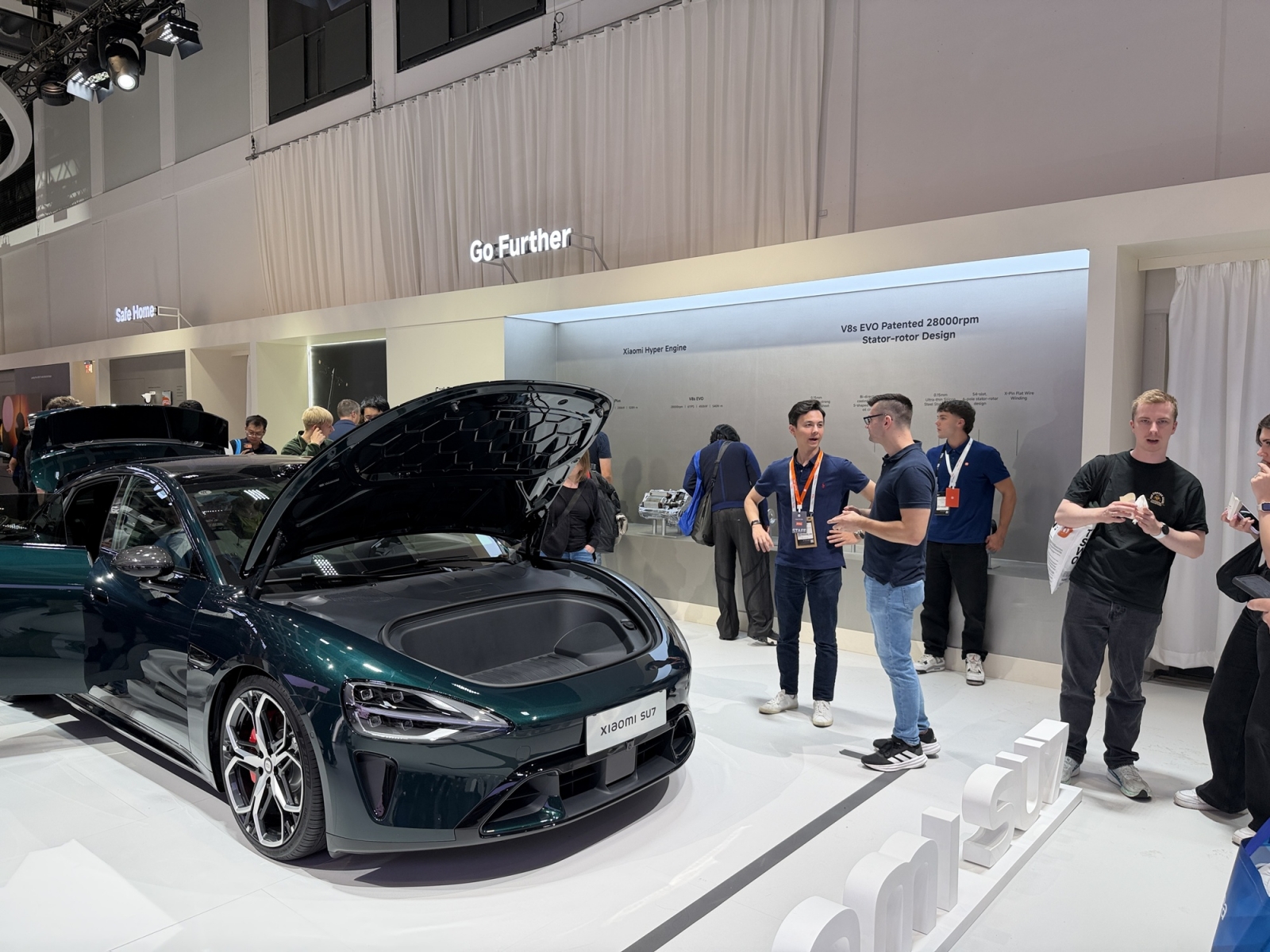
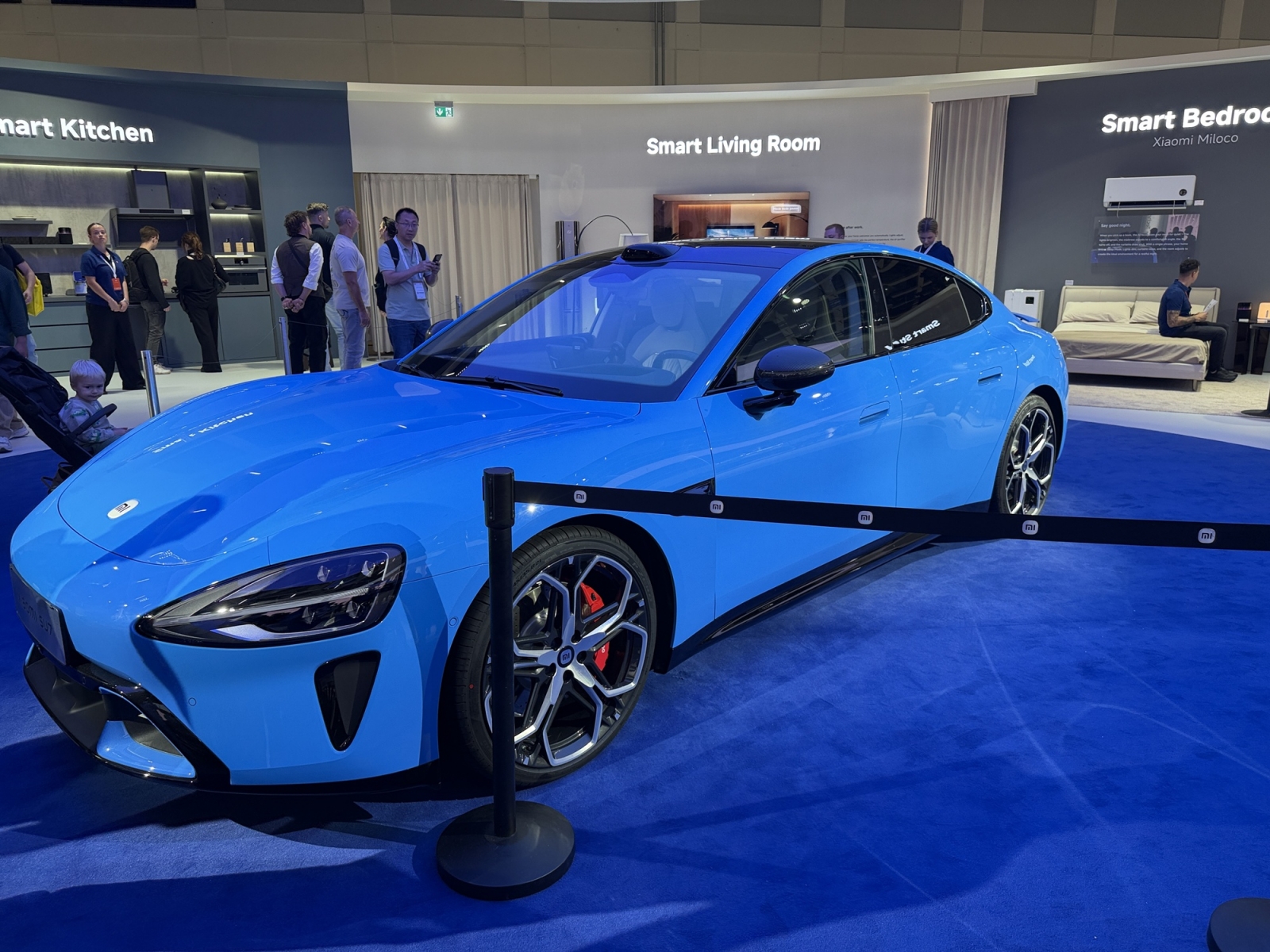
The booth’s automotive section underscored how far Xiaomi wants to extend its ecosystem. Xiaomi Vision Gran Turismo, a standalone concept developed for Polyphony Digital’s Vision Gran Turismo project rather than an SU7 Ultra variant, featured a carbon-fiber-heavy body and aerodynamic channels. Xiaomi calls its cabin concept “Sofa Racer,” combining a driving-focused cockpit with the comfort associated with a serious gaming setup. Production Xiaomi vehicles and HyperEngine powertrain components were also displayed.
Xiaomi is officially preparing to bring its automotive division to Europe in 2027, with Germany among its early footholds. That plan does not establish U.S. availability for Xiaomi vehicles, phones, tablets, or connected appliances. For now, the IFA display matters most as a view of Xiaomi’s direction: the company is building a broad ecosystem in which a tablet or foldable can serve as the screen that ties together work, entertainment, home controls, and potentially transportation.
Post Footer automatically generated by Add Post Footer Plugin for wordpress.