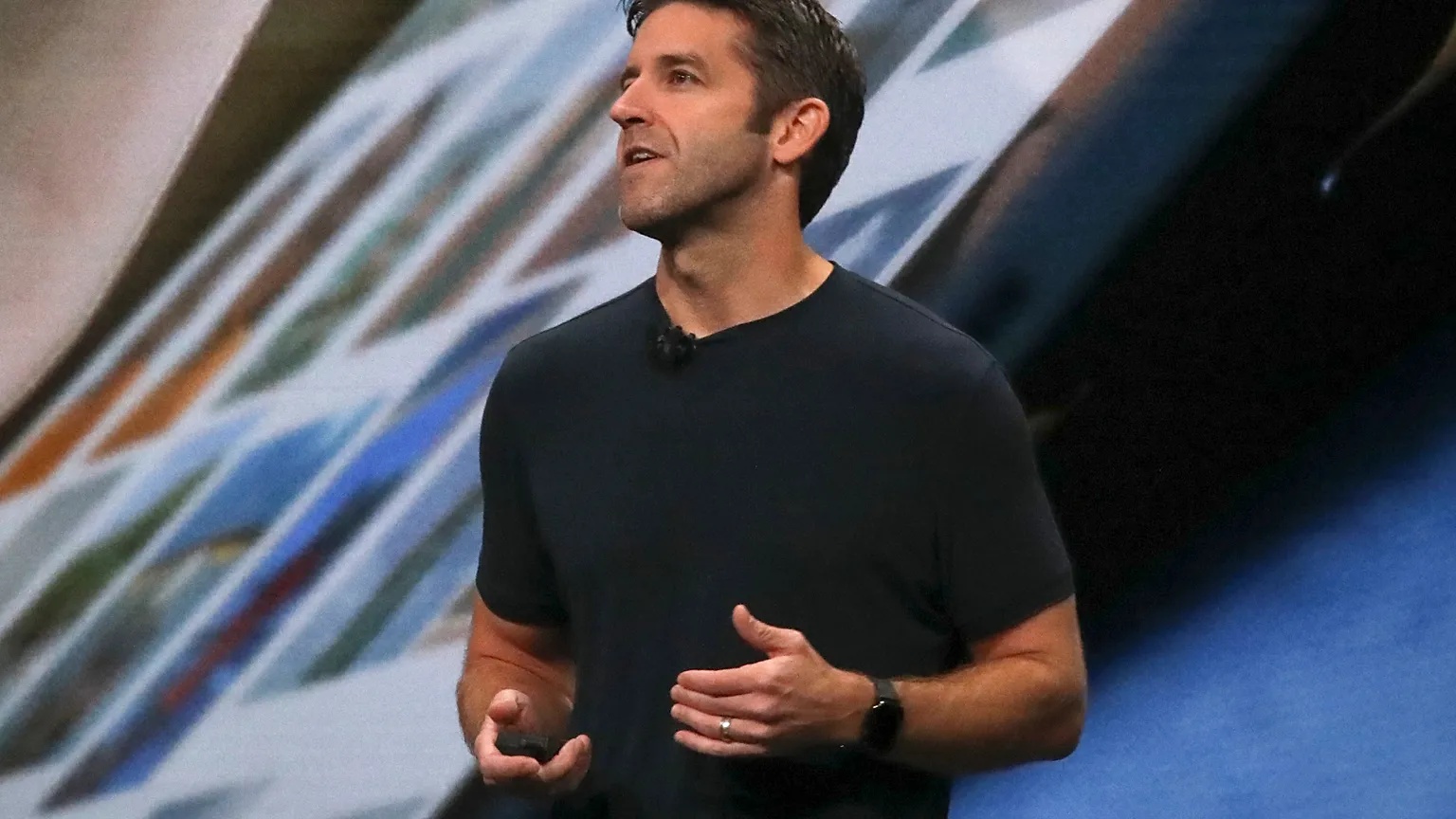
Memory supply has become a central concern even for Apple. In an interview with TIME, CEO John Ternus described the situation as a crisis and said the company must consider every available sourcing option. That comes amid reports that Apple has tested DRAM chips from Chinese supplier CXMT, though Ternus’s comments do not amount to an announced supply agreement.
“A crisis.”
John Ternus, Apple CEO
What the shortage could mean for device buyers
Ternus took over as Apple CEO on September 1 after Tim Cook, arriving from the company’s hardware-engineering ranks. The challenge is not simply designing a fast processor or an increasingly thin device; shipping products at Apple’s scale also depends on having enough memory components for the intended configurations.
For consumers, supply pressure could translate into higher prices or tighter availability for particular storage and memory configurations. Those outcomes remain possibilities rather than confirmed Apple plans, but the issue reflects a wider memory shortage affecting the smartphone market.
A complicated path to Apple’s foldable
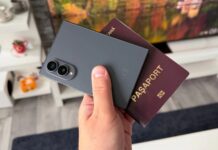
Ternus also addressed the iPhone Duo from the perspective of an engineer involved in the project. He and five colleagues filed a patent application for foldable devices in 2011. He characterized early competing foldables as feeling inexpensive and poorly built, a criticism directed at those early products rather than the current foldable market as a whole.
Apple’s foldable uses a hinge containing more than 100 miniature precision components, paired with a display surface made from a specialized polymer. That parts count illustrates the mechanical complexity behind a book-style mobile device, where the hinge and flexible surface must withstand repeated opening and closing. Long-term durability will still need to be demonstrated through real-world wear.
Siri’s Gemini connection
On AI, Apple is taking a more pragmatic approach. The new Siri, launched in the United States in September, uses an Apple model that draws on Gemini technology. Ternus said Apple intends to develop the elements that differentiate its products internally, without necessarily building every component itself.
Ternus does not expect AI to eliminate the role of physical devices: people will still take photos, communicate, and view images on screens. Apple marketing chief Greg Joswiak likewise said the company does not feel threatened by OpenAI’s hardware plans. For Apple’s portable-device strategy, the immediate questions are whether Siri’s integration improves everyday tasks, whether memory supply stabilizes, and how the iPhone Duo holds up outside the lab.
Post Footer automatically generated by Add Post Footer Plugin for wordpress.