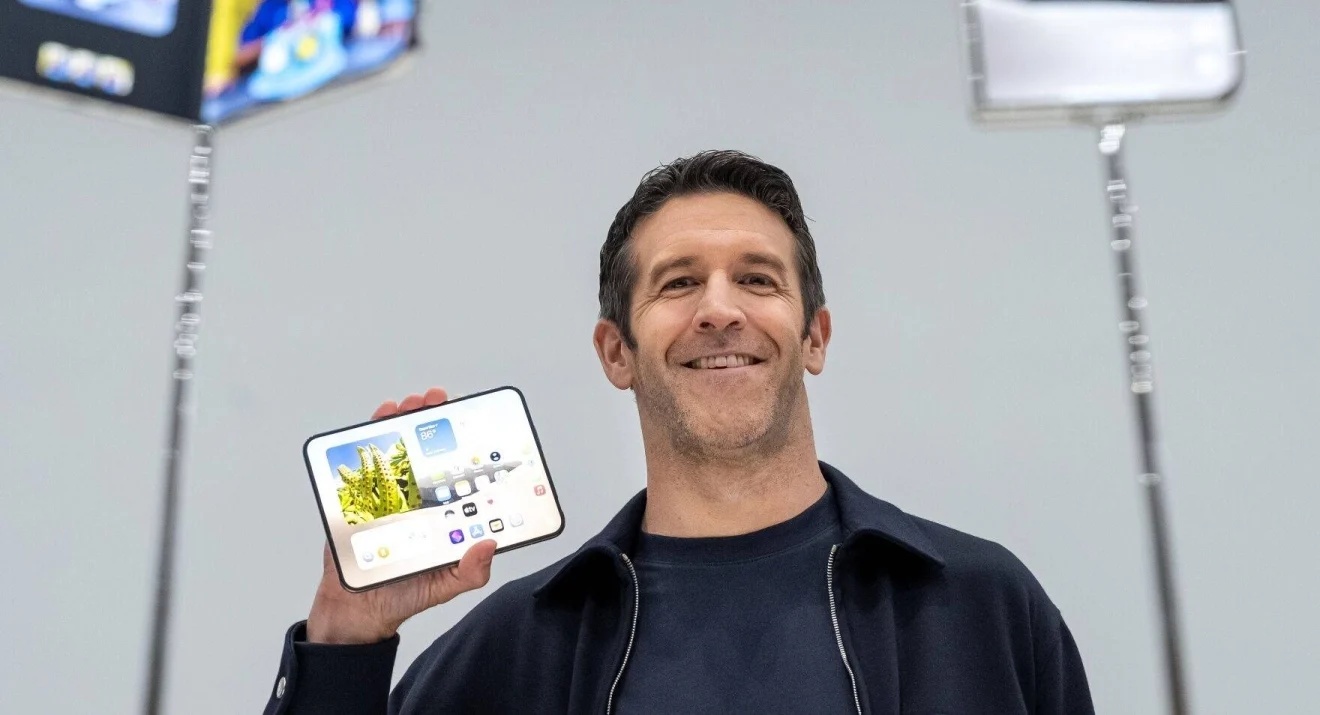
Apple’s next generation of mobile hardware may be shaped by a more hands-on CEO. John Ternus, who recently succeeded Tim Cook, is reportedly spending time in the company’s design studios several times a week—on some days, more than once—as Apple weighs the form, materials, durability, repairability, and manufacturing realities of future devices.
That would mark a sharp change from Cook’s routine. Bloomberg reports that Cook visited the design studio about once a month, while Ternus now works directly with both Industrial Design and Human Interface Design. The involvement reportedly began before Ternus became CEO, during the transition following Jeff Williams’ departure.
A split design organization, with Ternus above it
Rather than restore the company-wide design authority associated with Jony Ive, Apple is said to be keeping its two principal design disciplines separate. Bloomberg reports that Apple is not searching for a new chief design officer, with Ternus making final decisions across the organization.
- Molly Anderson leads Industrial Design as vice president.
- Steve Lemay leads Human Interface Design as vice president.
- John Ternus sits above both groups as Apple’s CEO and reported final decision-maker.
The structure gives Apple a CEO with a hardware-engineering background a closer role in decisions that affect how portable products feel in everyday use. Ternus previously led Hardware Engineering and has worked across Apple’s major device categories, including materials, durability, repairability, and manufacturing technologies.
Why the change matters for Apple hardware
For tablets, laptops, phones, and wearables, industrial design cannot be separated neatly from engineering trade-offs. Thickness, thermal management, battery capacity, internal layout, materials, and repairability all compete for space and attention. A CEO who has led hardware development may bring a different balance to those decisions than a chief executive primarily known for operations.
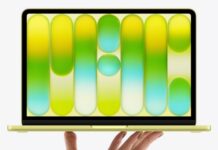
The timing is notable as Apple reportedly prepares a substantially lighter future MacBook Pro with a miniaturized and reorganized interior. The company also faces a changing design talent landscape: Alan Dye, who led Human Interface Design from 2015, left for Meta, while OpenAI and Jony Ive have recruited people from Apple’s wider design ecosystem for their hardware efforts.
Apple’s approach appears to favor internal leadership rather than a single star designer brought in from outside. Its coming MacBook Pro, iPhone, iPad, and other new hardware will offer the clearest indication of how Ternus’ direct oversight affects the company’s product priorities—especially where portability, construction, and long-term serviceability must be negotiated together.
Post Footer automatically generated by Add Post Footer Plugin for wordpress.