Tesla and SpaceX have created special committees to examine a possible merger, according to reports cited by Reuters. The move could consolidate Elon Musk’s automotive, satellite-connectivity, launch, robotics, chip, and artificial-intelligence ambitions inside one company—but the review remains at an early stage.
There are no agreed terms, exchange ratio, or guarantee that a deal will be completed. One option under consideration would have SpaceX acquire Tesla, and Tesla has reportedly sought advice from an investment bank. Any agreement would still require shareholder approval.
Musk reportedly supports the idea but is not taking part in the negotiations. As CEO and a major shareholder of both companies, he has a conflict of interest, leaving the review to independent directors.
A broader mobile-computing and AI infrastructure play
For portable-computing users, the clearest consumer-facing connection is Starlink. A combined company could potentially tighten the links between satellite connectivity, edge computing, AI development, and autonomous systems, although neither company has announced new products or services tied to the merger discussions.
The companies already have overlapping work in several areas that could become internal programs under a combined organization:
- AI software development
- Chip design and manufacturing
- Robotics and autonomous vehicles
- Starlink connectivity
- Putting computing infrastructure into orbit
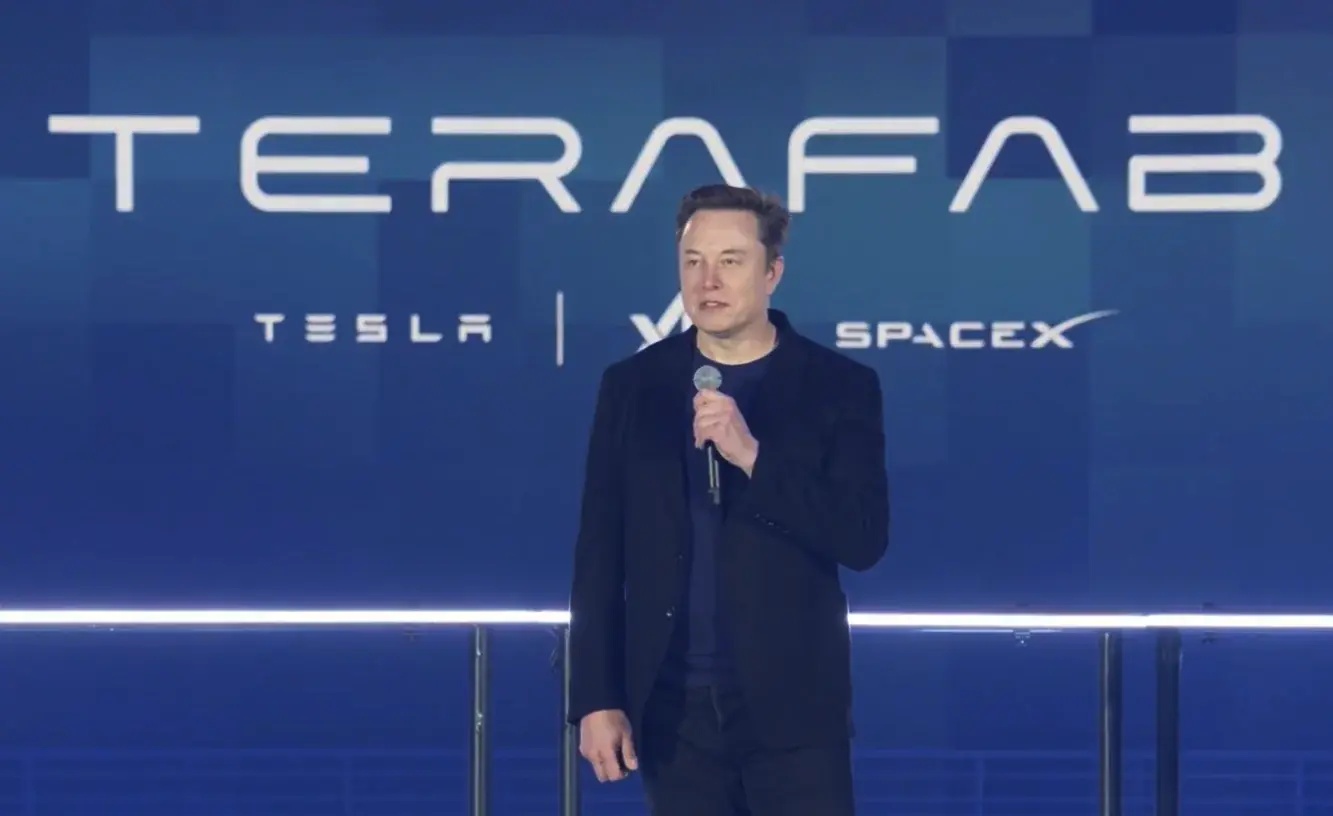
One tangible shared effort is Terafab, a Texas chip manufacturing and testing project. A first chip sample is expected in May or June 2027, with volume production targeted for the third quarter of 2028. Tesla is also working on its D3 chip for space-based AI infrastructure, while SpaceX could provide the rockets, satellites, and connectivity for such a deployment.
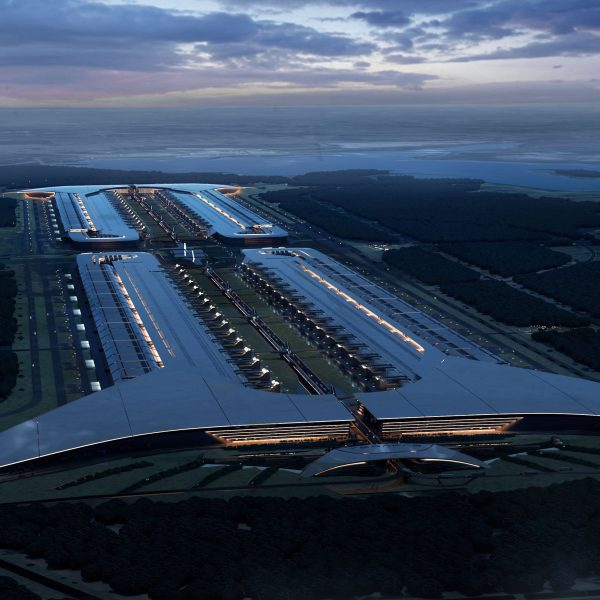
Tesla’s new Roadster is another existing point of collaboration, using thrusters developed with SpaceX engineers. A merger could bring budgets, teams, and intellectual property for projects like these into a single corporate structure.
Scale, scrutiny, and unanswered questions
Tesla is valued at roughly $1.5 trillion, while SpaceX’s valuation is approaching $2 trillion. Together, the companies would be worth about $3.5 trillion before any final deal structure is set.
The proposed combination would need to address how shareholders in each company are compensated, how much control Musk retains, and how SpaceX government contracts would be separated from Tesla’s commercial operations. U.S. regulatory scrutiny would also be a likely part of the process.
The discussion arrives as SpaceX reports a major expansion in its AI business. The company posted quarterly revenue of $14.58 billion, up 161% year over year, and net profit of $4.4 billion, compared with a $1.1 billion loss in the comparable prior-year quarter.
SpaceX’s AI division generated $7.56 billion in quarterly revenue—nearly 10 times its figure a year earlier and more than Starlink’s $5.2 billion. Starlink reached 13.6 million subscribers. Those numbers help explain the strategic logic being explored, but they do not settle the practical hurdles. Deal terms, shareholder votes, and regulatory review would all remain ahead before Tesla and SpaceX could operate as one company.
Post Footer automatically generated by Add Post Footer Plugin for wordpress.