Huawei is positioning HarmonyOS 7 as a more proactive operating system, with its Celia assistant moving beyond one-off voice commands to carry out multistep work across apps and system services. For tablet users, that could mean less manual switching between files, calendars, documents, messages, and web pages when managing schoolwork or professional tasks.
Celia is called Xiaoyi in China, and Huawei says the assistant can access more than 2,100 system functions and over 500 ecosystem Skills. Rather than simply returning an answer or opening an app, the company’s goal is for the AI to interpret an end result and link together the steps needed to reach it.
A productivity-focused AI assistant
Huawei’s example is a job application workflow: a user can ask Celia to find a résumé stored on the device, add recent experience, and tailor it to a job listing. If an interview invitation arrives later, the assistant can pull the time and address from the message, add them to a calendar, and help simulate an interview.
Other stated HarmonyOS 7 capabilities include finding files or photos from approximate descriptions, continuously translating pages and documents, recognizing copied addresses, links, and codes to suggest an appropriate action, and organizing information from messages and notifications. Huawei also describes background content generation, smart-home control through Celia Claw, and configured call handling in which the assistant can converse on a user’s behalf.
The practical distinction is the level of operating-system access. Huawei says Celia can use more than 200 types of system data, with user permission, to understand context and preferences. That may make the assistant more useful for complex mobile-computing workflows, but it also makes permission controls and privacy protections more consequential than they are for a conventional chatbot.

MatePad tablets are included in the China beta
Huawei’s public HarmonyOS 7 test program began September 7 for multiple Mate 70 and Mate 80, Pura 80 and Pura 90, nova, and Mate X foldable models, as well as MatePad tablets. Additional devices are due to enter beta testing in October. Huawei officially lists HarmonyOS 7 upgrades only for mainland China at this point, with no international rollout schedule announced.
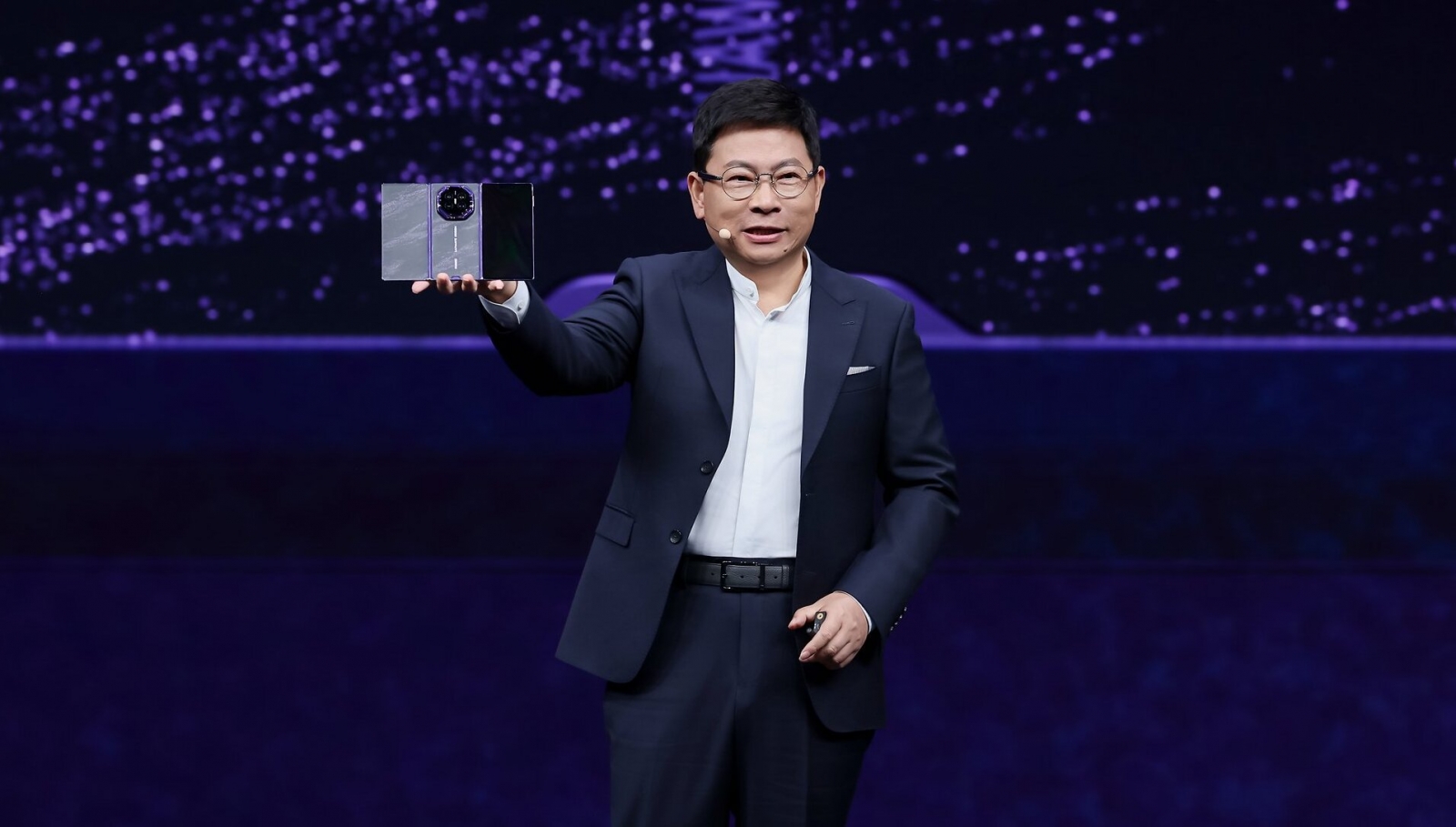
The software is also arriving on new Huawei hardware. The Mate XT 2 Ultimate Design runs HarmonyOS 7 with a Kirin 9050 Pro chip, while the Pura X View pairs the operating system with a Kirin 9030S.
Huawei says HarmonyOS has surpassed 85 million devices and that its ecosystem includes more than 400,000 apps and services. Celia’s expanded role is most relevant to users deeply invested in that ecosystem, particularly those who want an assistant to act across a phone or tablet rather than merely answer questions. Whether the same features and supported devices will reach markets outside mainland China remains unknown.
Post Footer automatically generated by Add Post Footer Plugin for wordpress.