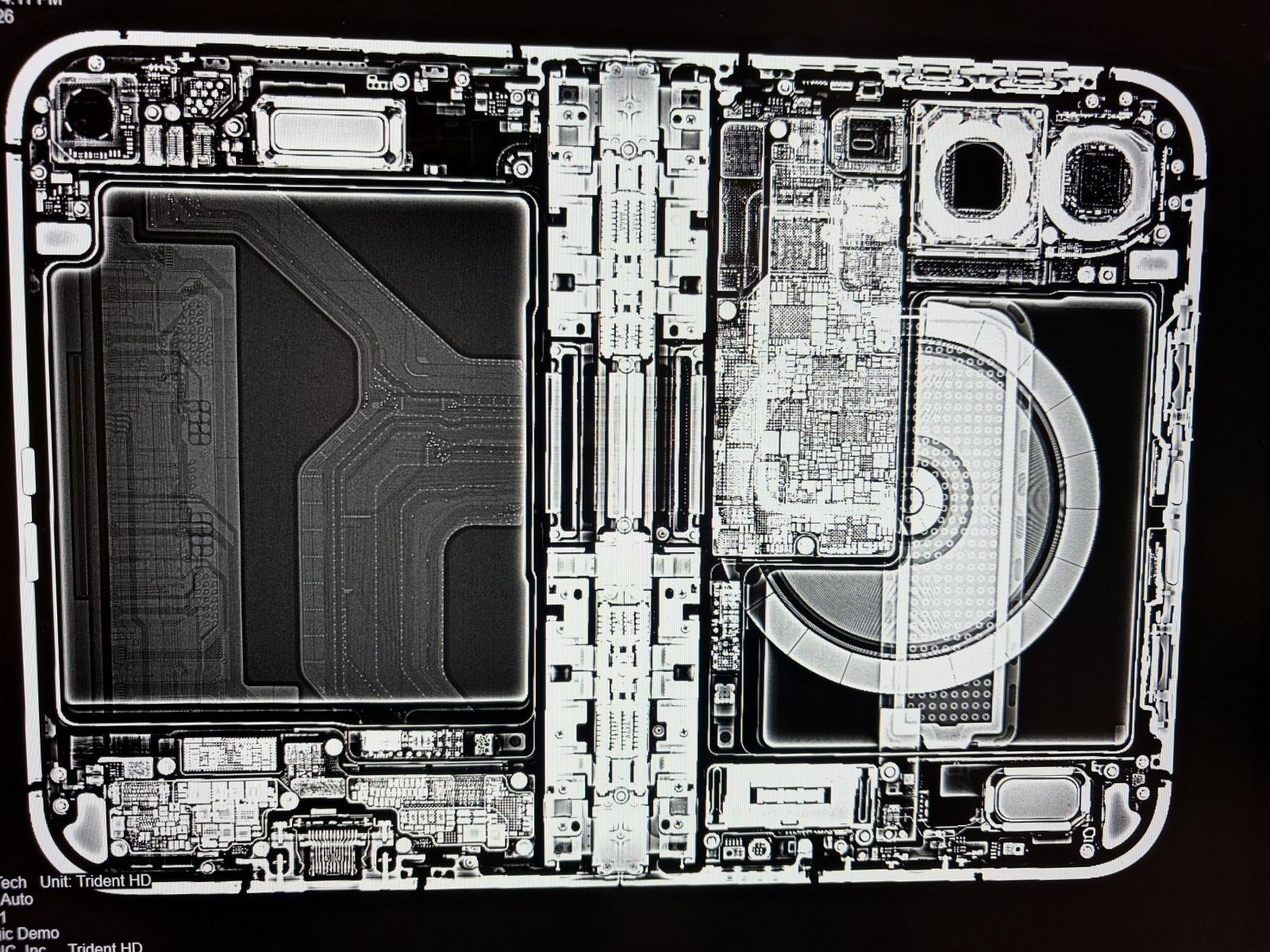
For iPhone Duo owners, the unanswered question behind reports of cracked inner displays is whether the folding mechanism itself is flawed or whether a limited batch of components is at fault. A new claim from leaker Kang points to the latter: defective materials supplied by one of two hinge-mechanism suppliers may be responsible. The claim has not been independently confirmed, and Apple has not commented on its specific cause.
Kang says Apple may be able to identify affected devices by serial number, which could make it possible to isolate a problematic production batch instead of treating every failure as evidence of a generation-wide hardware issue. There is no indication that Apple has created a public serial-number checker, however.
A limited-batch issue would change the repair picture
The distinction matters for a foldable device. A hinge design problem could require a broader mechanical revision, while out-of-spec or unusually deformable materials could potentially be limited to certain units. The supplier-material theory also does not necessarily rule out concerns about the hinge’s operation: a flawed part could affect how an otherwise correctly designed mechanism moves and distributes pressure. That relationship remains speculative.
Reports began soon after the iPhone Duo’s October 23 commercial debut. Users have described several symptoms associated with opening and using the inner display:
- Unusual noises when opening the device.
- Increased resistance in the hinge.
- Cracks near the fold, sometimes accompanied by bright lines on the inner display.
Some devices reportedly failed within hours of use. Apple has acknowledged that a small number of units were affected and is offering replacements to customers who encounter inner-display failures, but it has not disclosed the exact cause or the production ranges involved.
The claim sits alongside iFixit’s hinge findings
An earlier iFixit examination used CT scans and a 3D model to identify an area where the central support bar might not lower far enough when the phone is folded. In that scenario, an internal component could press against the flexible display. That analysis raised the possibility of a mechanical issue, but it did not establish the root cause of every reported failure.
Fine M-Tec, a South Korean company associated with foldable-display and hinge-component production, rejected late-October allegations that its materials were responsible for reported quality problems. The company did not explicitly name Apple or the iPhone Duo. Kang’s claim likewise does not identify the supplier allegedly involved, so no company can be assigned responsibility based on the available information.
Until Apple identifies affected serial ranges or explains the failure mechanism, prospective iPhone Duo buyers and current owners are left without a way to determine whether a particular unit may be at risk. A public serial-number lookup would be most useful if the problem proves limited to a defined component batch; for now, neither that tool nor a confirmed diagnosis has been announced.
Post Footer automatically generated by Add Post Footer Plugin for wordpress.