Googlebook OS is moving beyond laptops and into detachable tablets, a shift that could make the platform more relevant to people who want a slate for touch-first use without giving up a keyboard-based work setup. Google confirmed at Android Dev Summit 2026 that it plans to extend the Android– and ChromeOS-based software to detachable devices.
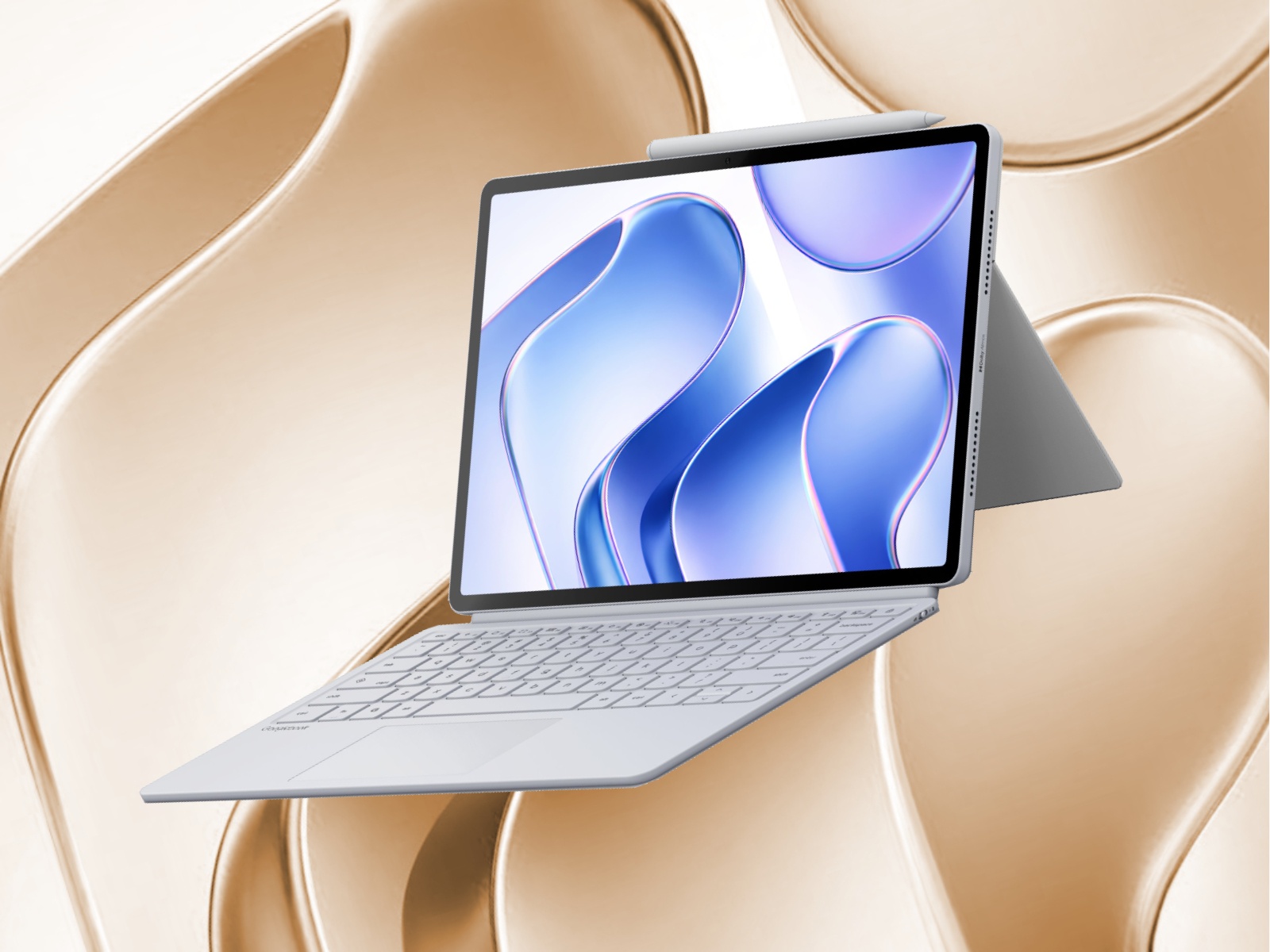
The first hardware candidate may be Lenovo’s Googlebook Duet m. According to Notebookcheck, the device is expected to use a 13-inch OLED touchscreen and a detachable keyboard, putting it in the large-screen productivity-tablet category rather than the small, media-focused tablet market.
A tablet built around laptop-style accessories
Images previously shared by Evan Blass showed a tablet with a rear kickstand, detachable keyboard, and active stylus. The design also appears to retain the Glowbar light strip introduced with Googlebook laptops. FCC certification documents have surfaced for the related keyboard and stylus, suggesting the accessories are progressing through regulatory steps, though they do not confirm a launch date.
- Rumored 13-inch OLED touchscreen
- Rumored MediaTek Dimensity CX C10 Max processor built on a 3 nm process
- Rumored 16GB of RAM
- Detachable keyboard with both physical and Bluetooth connectivity
- Support for the Lenovo Pen Pro for Googlebook
Lenovo has not confirmed the Duet m’s processor or broader configuration. The Dimensity CX C10 Max itself has been announced by MediaTek and includes Cortex-X925, Cortex-X4, and Cortex-A720 CPU cores, plus an NPU rated for up to 55 TOPS of local AI processing. If Lenovo uses that chip, it could give the detachable substantial headroom for Gemini-related and other on-device AI workloads.
The software still needs to become more tablet-native
Googlebook OS combines Android app compatibility with Gemini integration and a more laptop-oriented approach to multitasking. Google’s first Googlebook laptops arrived in September through partners including Acer, ASUS, Dell, HP, and Lenovo. A detachable tablet would test whether that laptop-style interface can work equally well when the keyboard is left behind.
There is a notable limitation on the current Acer Googlebook 14 convertible: while apps can run in portrait orientation, the primary Googlebook OS interface, app launcher, and multitasking screen remain limited to landscape. That behavior would be more restrictive on a tablet intended for handheld use, so portrait-aware system UI may be an important piece of the platform’s detachable expansion.
Google has not announced a price, release date, or U.S. availability for Googlebook tablets, and Lenovo has not formally unveiled the Googlebook Duet m. For now, it appears aimed at users seeking a large OLED tablet that can switch between casual touch use and a more PC-like productivity setup.
Post Footer automatically generated by Add Post Footer Plugin for wordpress.