A charging cable that disconnects before it can pull a laptop off a desk is a practical feature, but it has usually meant using a dedicated proprietary connector. Microsoft’s new Magnetic Connect system on the Surface Laptop Ultra takes a different route: it adds a magnetic cable to a USB-C port without making that port single-purpose.
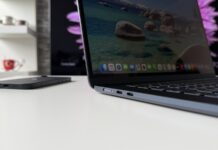
The Surface Laptop Ultra has three USB-C ports, with one designed to work with Magnetic Connect. Bring the special cable close to the port and it attaches magnetically; pull it sharply and it is intended to release. When that cable is not in use, the same port can accept a regular USB-C cable.
A USB-C port with a magnetic option
Microsoft says the laptop’s USB-C connectivity supports the following capabilities, making the magnetic connector more than a charging-only alternative:
- Up to 140W charging
- Data transfers at up to 40 Gbps
- DisplayPort 2.1 video output
- Connections for USB-C displays and peripherals
That flexibility is the key distinction from Apple’s current MagSafe 3 approach. MagSafe 3 uses a dedicated magnetic charging connector, while USB-C/Thunderbolt ports remain separate for accessories, storage, and displays. Magnetic Connect aims to let one port serve either role depending on the cable attached.
| Feature | Apple MagSafe 3 | Microsoft Magnetic Connect |
|---|---|---|
| Magnetic attachment | Yes | Yes |
| Releases when cable is pulled | Yes | Yes |
| Accepts a standard USB-C cable through the same port | No | Yes |
| Data through the same port | No | Up to 40 Gbps |
| Video through the same port | No | DisplayPort 2.1 |
| Maximum stated charging power | Model-dependent | 140W |

Not a universal magnetic USB-C cable
Magnetic Connect does not make existing USB-C devices magnetic. Microsoft’s cable has a larger, specialized connector and cannot be inserted normally into an ordinary USB-C phone, tablet, or laptop. The matching mechanism is exclusive to the designated Surface Laptop Ultra port.
The upside is that the Surface Laptop Ultra is not dependent on that cable. If it is lost or unavailable, all three USB-C ports can still be used for charging with conventional USB-C cables. That is a meaningful departure from earlier magnetic laptop charging systems, including Microsoft’s long-running proprietary Surface Connect connector.
Apple introduced its first MagSafe connector alongside the MacBook Pro in 2006, prioritizing a breakaway cable before later shifting its laptops toward USB-C and eventually restoring MagSafe as a separate charging option. Microsoft is not reinventing the magnetic connector; it is trying to remove the usual trade-off between magnetic convenience and a multifunction port.
For mobile-computing users who frequently dock to a monitor or external SSD but also want less risk from a snagged charging cable, Magnetic Connect is an interesting compromise. Its broader value will depend on whether Microsoft brings the feature beyond the Surface Laptop Ultra; pricing, availability, and expansion plans were not provided.
Post Footer automatically generated by Add Post Footer Plugin for wordpress.