For a foldable device, the hinge and inner display have to work as one system every time the device opens or closes. That makes iFixit’s latest iPhone Duo teardown analysis notable: it identifies a location beneath the crease where a hinge component may be placing stress on the flexible panel, close to the area where some users have reported cracks and display damage.
A possible pressure point beneath the crease
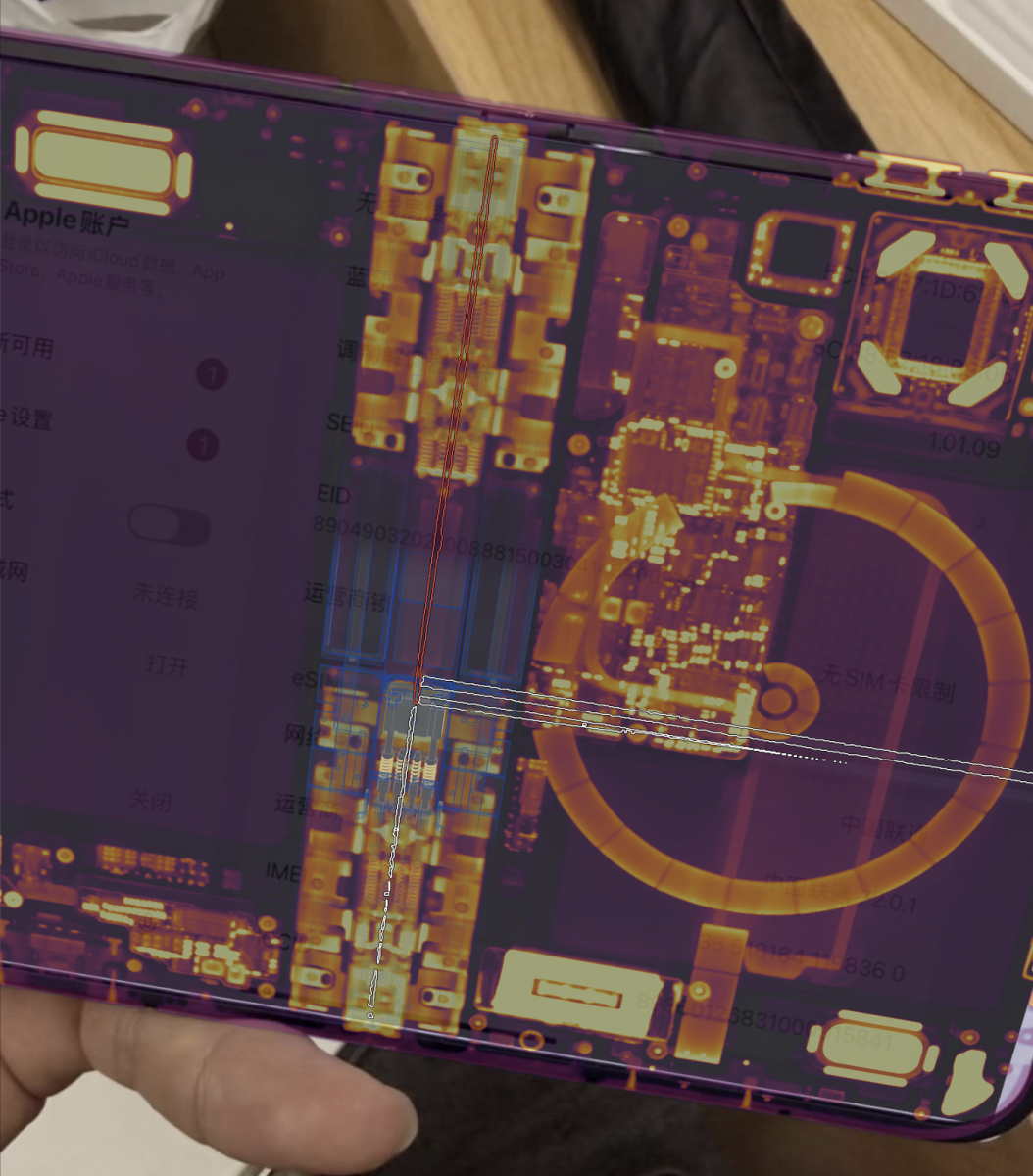
Affected users have described a similar sequence: a noise while opening or closing the phone, a small line at the crease, and then a bright stripe across the display. iFixit compared reported damage photos with CT scans, Apple patents, and its own 3D model of the hinge, finding that the visible damage tends to align with the same internal region.

The suspected point sits below the flex cable that crosses between the phone’s two halves, near the hinge’s central support structure. In iFixit’s simulation, a central support bar may not retract far enough when the device closes. If that behavior occurs in real use, the bar could press into the curved portion of the display at roughly the spot where damage has been reported.
That is still a theory rather than a diagnosis. iFixit has not identified a definitively failed part, and Apple has not acknowledged a design defect or announced a recall. Separately, JerryRigEverything’s testing indicated that dust can enter the mechanism and cause unpleasant sounds or sensations, adding another durability concern around the moving assembly.
Repair-friendly design, but difficult hinge work
iFixit currently gives the iPhone Duo a provisional repairability score of 5 out of 10, its highest score for a foldable phone. Several design decisions should make routine repairs less destructive than on many foldables:
- The outer display can be removed without destroying it.
- The phone’s two batteries use electrically released adhesive.
- Many internal components can be accessed without fully disassembling the device.
The hinge and inner display, however, remain the complicated and expensive repairs—exactly the areas now under scrutiny. Apple designed the display stack to manage mechanical stress, including a nano-texture treatment that diffuses reflections and layers intended to slide across one another. If the central support is not retracting correctly in some circumstances, the mechanism designed to protect the panel could become its most consequential weak point. For prospective foldable buyers, the key facts remain unresolved: how widespread the reported failures are, whether a specific component is responsible, and how Apple will respond if the pattern is confirmed.
Post Footer automatically generated by Add Post Footer Plugin for wordpress.