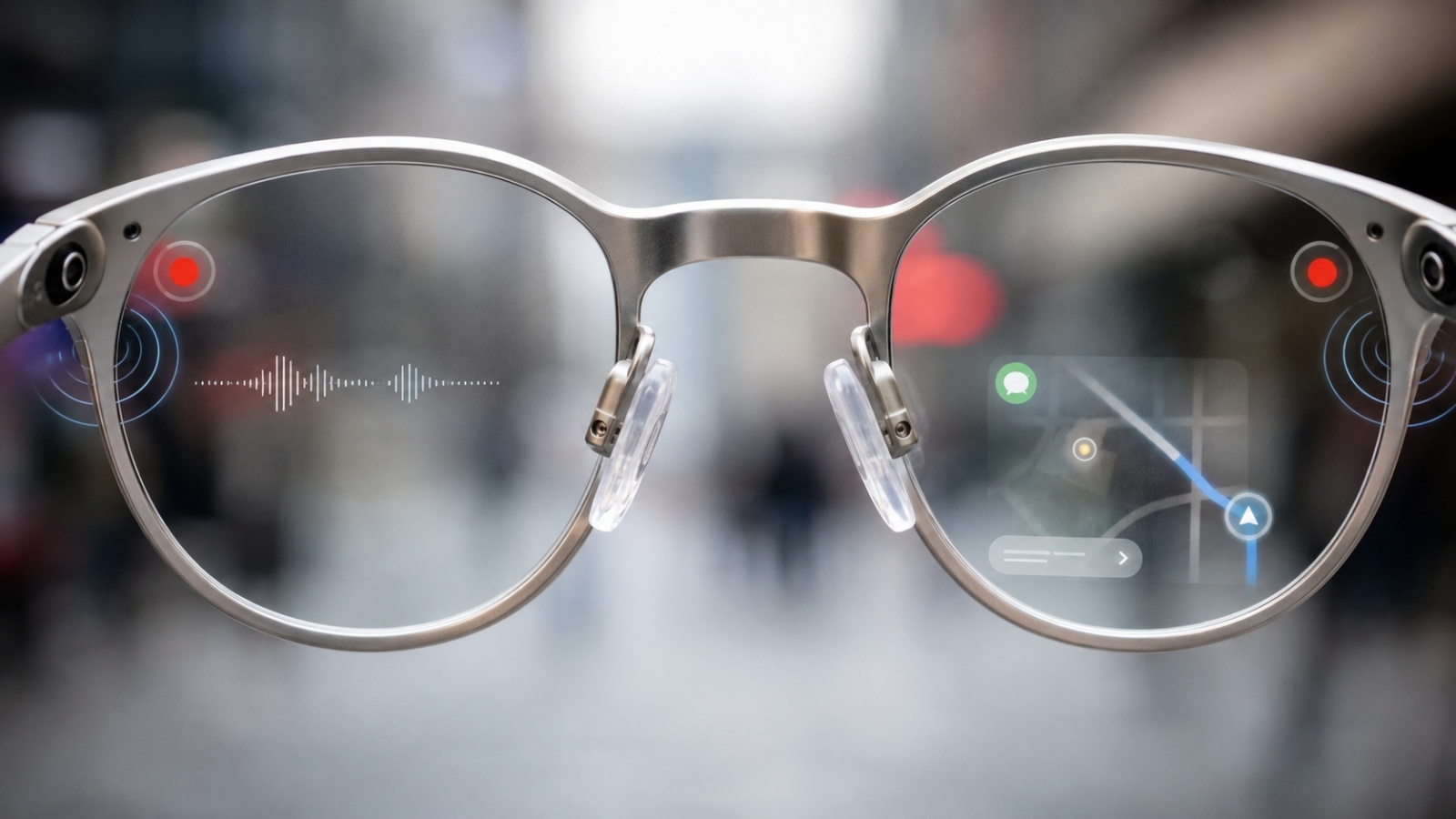
Apple’s reported first step into smart glasses may be a deliberately modest one: an iPhone-connected wearable built around cameras, microphones, speakers, and AI rather than a lens display. Bloomberg’s Mark Gurman reports that Apple is targeting late 2027 for the product, while a more extensively redesigned Vision Pro headset may not arrive until late 2028 or early 2029.
That approach would put Apple in the fast-growing screen-free AI-glasses category, where the practical appeal is hands-free capture, audio, voice interaction, and phone integration—not floating visual interfaces. A display-equipped version could follow later, according to the report, but the initial model is expected to avoid that added complexity.
A crowded path to lightweight wearables
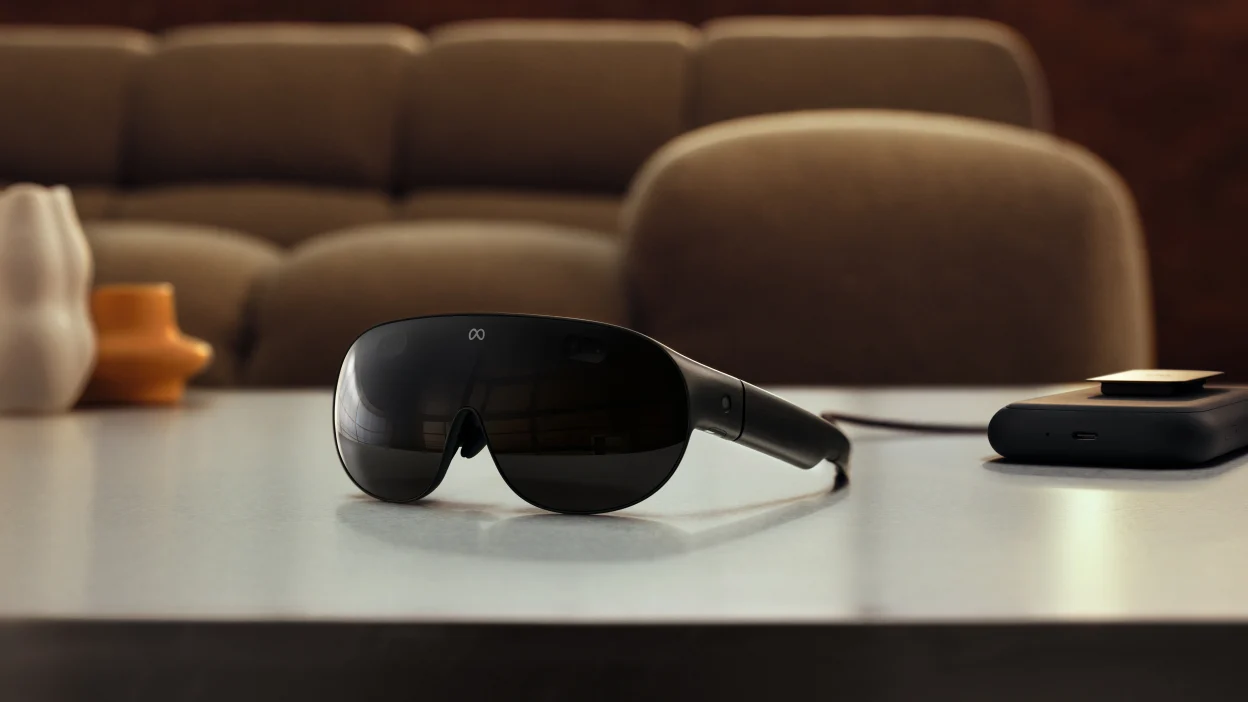
Apple’s timing matters because several rivals are pursuing different ways to make head-worn computing more wearable. Meta recently introduced VR glasses that weigh about 100 grams by moving the battery and much of the processing into a pocketable external module. Those glasses are priced at $1,299.99 and are expected in spring 2027, ahead of Apple’s reported target.
Meta also offers a broader set of AI glasses, including camera-equipped Ray-Ban models and camera-free options. Counterpoint data cited in the report indicates that global AI-glasses shipments rose 263% in the first half of 2026, with Meta accounting for roughly 94% of shipments in the no-display segment.
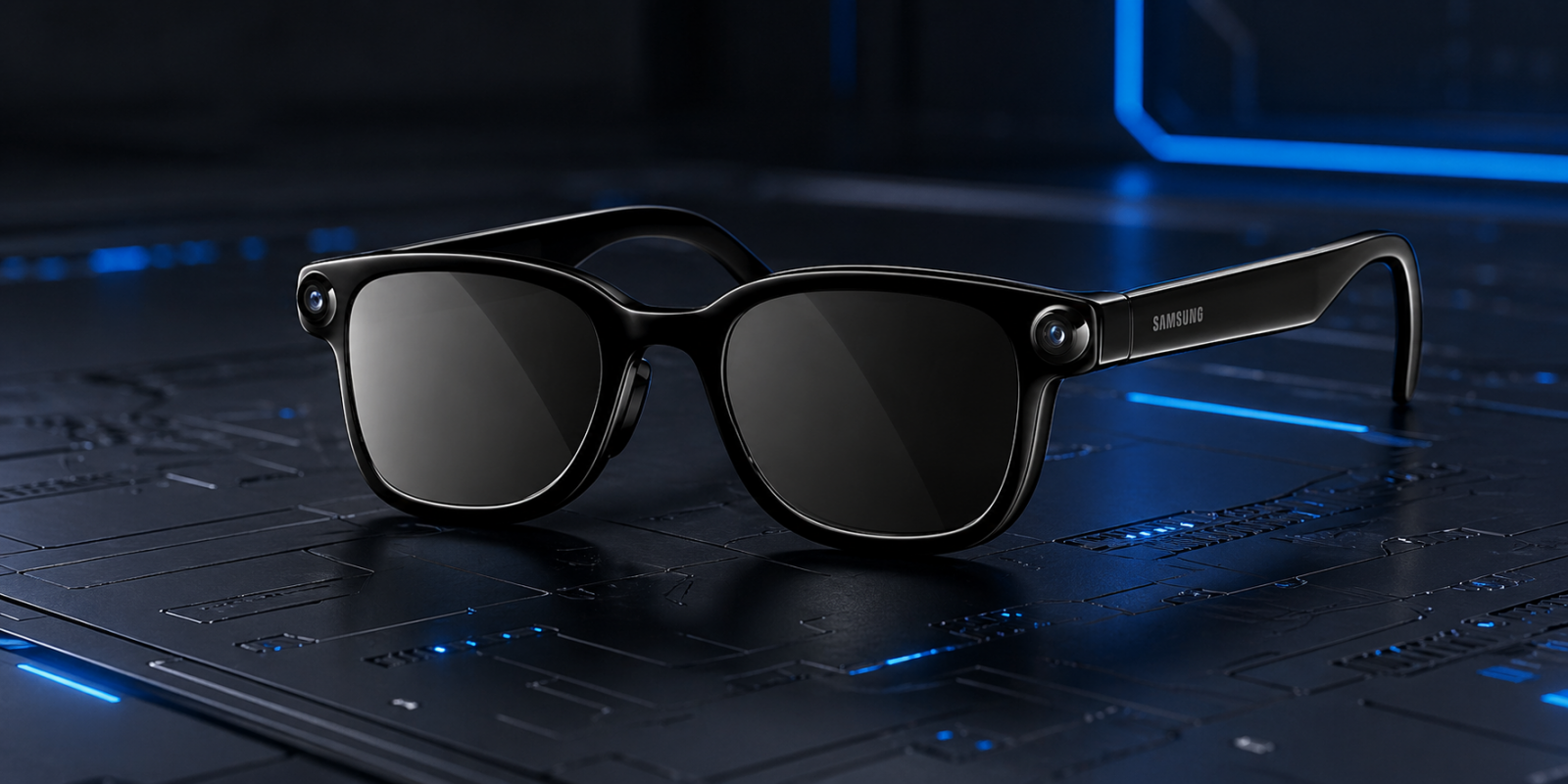
Samsung is preparing a similarly screen-free first generation of smart glasses for 2026, with a camera, microphones, speakers, and AI features. Its longer-term work is reportedly more ambitious: the company is testing OLEDoS and LEDoS microdisplays measuring up to 0.2 inches, with a possible launch window in the second half of 2027 or early 2028. Samsung also has Android XR and Google as part of its broader platform position.
The competing strategies currently described in reporting include:
Insta360’s patent points to the same weight problem
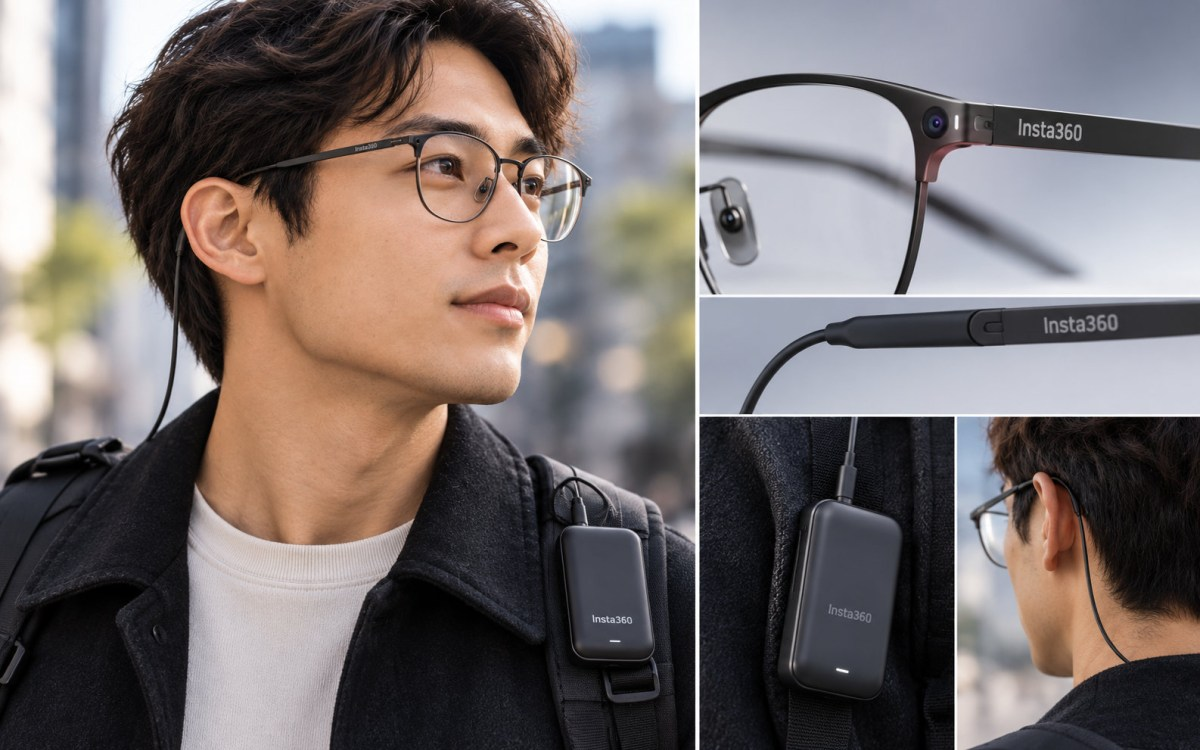
Insta360, known for 360-degree and action cameras, is also reportedly exploring AI smart glasses. There is no announced product or finalized specification, and the project should be treated as a rumor. Still, an Insta360 patent describes wearable glasses that move the battery out of the frame and onto the body via a cable—an idea aimed at reducing the weight users carry on their faces.
That design direction echoes Meta’s new VR glasses, and it highlights the central trade-off for portable computing worn on the head: shifting power and processing away from the frame can make the eyewear lighter, but it also adds another device for the user to carry.
Vision Pro redesign remains uncertain
Apple’s Vision team is also said to be working on a substantially redesigned headset, code-named N224. Four concepts are reportedly under consideration, including one that would relocate some components to an external module. Internal concerns reportedly remain because of the external battery used by the current Vision Pro, while an all-in-one alternative would have to become lighter, less expensive, and remain powerful enough for the category.
The N224 project is reportedly on “life support,” with a potential release only in late 2028 or early 2029 if it continues. For Apple, that makes smart glasses the more immediate test: whether an iPhone-linked, display-free accessory can offer enough everyday utility to stand out in a category where Meta has already built scale and Samsung is preparing its own ecosystem-backed entry.
Post Footer automatically generated by Add Post Footer Plugin for wordpress.