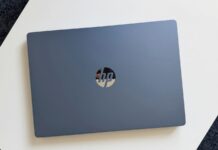
A thin 14-inch laptop is an unusual place to find up to 128GB of unified memory, but that is the premise of ASUS’ ProArt P14 H7407. At 3.3 pounds and 0.55 to 0.63 inches thick, the system aims to make locally run AI workloads more practical for creators who need to carry their workstation rather than leave it at a desk.
The P14 uses NVIDIA’s RTX Spark N1X platform, pairing a 20-core Grace CPU with a Blackwell RTX GPU offering up to 6,144 cores. ASUS rates the system at up to 1 petaFLOP of FP4 AI performance. Its key design choice is unified LPDDR5X memory: CPU and GPU workloads draw from the same pool, potentially giving local AI models access to considerably more memory than a conventional mobile GPU’s dedicated VRAM.
A portable display for color-sensitive work
For photo, video, and illustration work away from a larger monitor, the ProArt P14 includes a 14-inch 2,880 × 1,800 Lumina Pro OLED touchscreen in a 16:10 format. The panel supports a 120Hz variable refresh rate, stylus input, and an anti-glare finish. ASUS specifies 100% DCI-P3 coverage, Pantone validation, a Delta E below 1, 700 nits of typical brightness, and up to 1,600 nits in HDR.
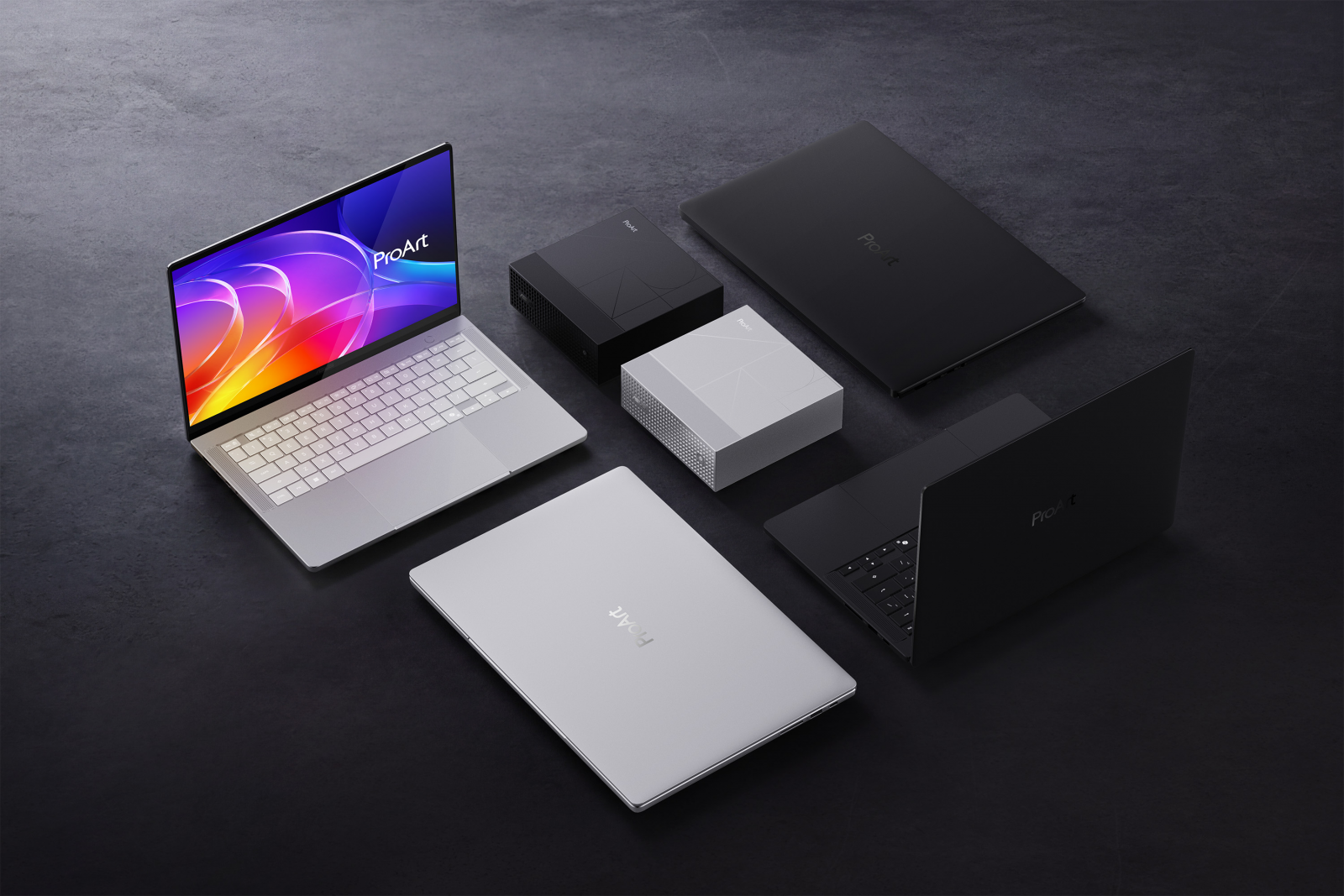
The 90Wh battery is notably large for the chassis, and charging is handled through a 140W USB-C adapter. Compared with ASUS’ larger ProArt P16, the P14 sacrifices the 4K display and two inches of screen size, but retains a 120Hz panel and stays nearly 0.7 pound lighter while giving up relatively little battery capacity.
Ports and expansion keep the workstation focus
- Up to 128GB of unified LPDDR5X memory and up to 1TB of PCIe 4.0 NVMe SSD storage
- One M.2 2280 PCIe 5.0 x4 expansion slot
- Three 40Gbps USB4 Type-C ports
- One USB-A 3.2 Gen 2 port
- HDMI 2.1 FRL, a 3.5mm headphone jack, and an SD 4.0 card reader
- Wi-Fi 7 and Bluetooth 5.4
- FHD IR camera with Windows Hello, a haptic touchpad, and a backlit keyboard with 1.5mm key travel
- Windows 11 Pro and MIL-STD-810H durability testing
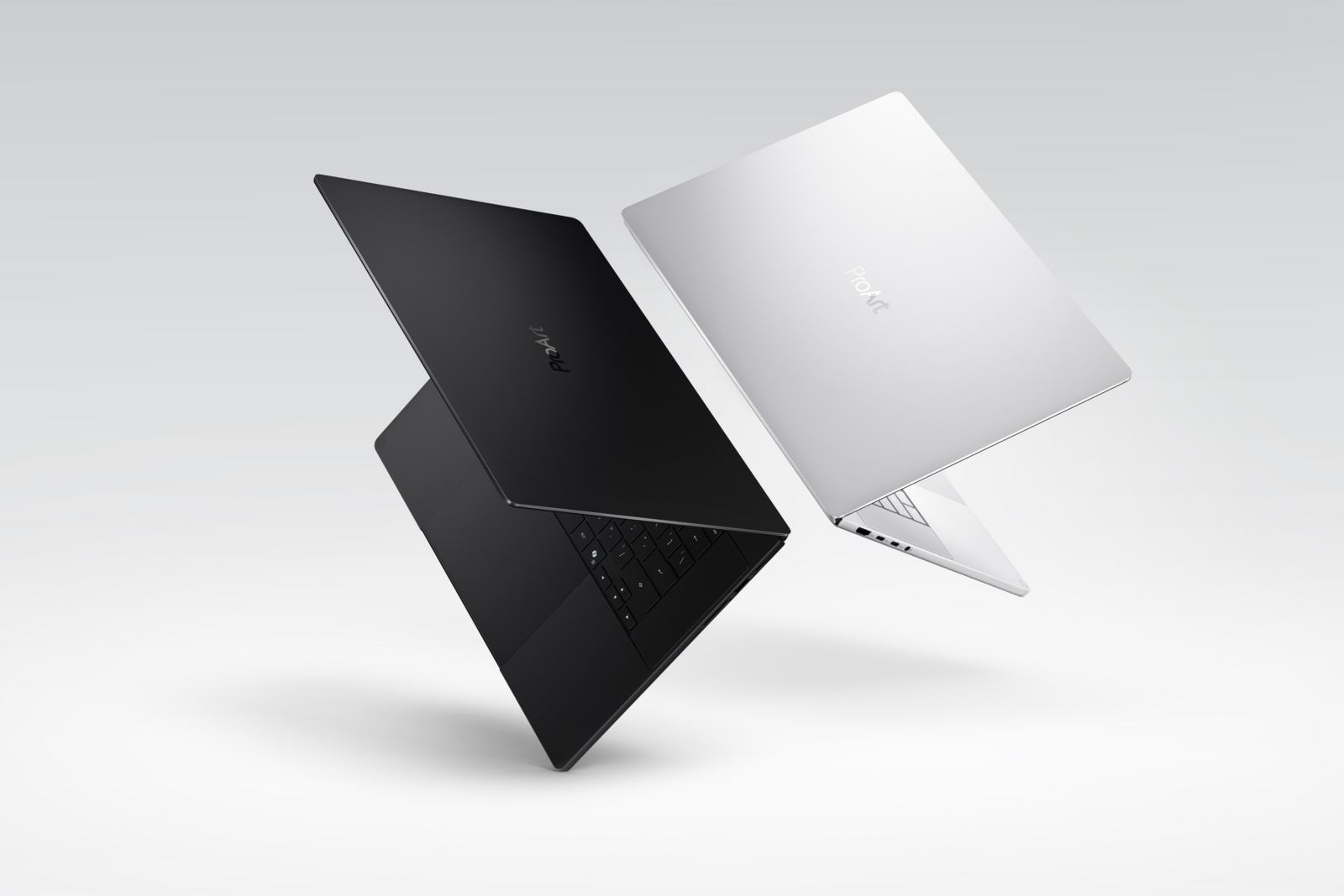
ASUS positions the platform for local workflows using software such as ComfyUI, Hermes Agent, MuseTree, and StoryCube. The company also cites scenarios including 4K AI video generation, 12K 4:2:2 video editing, and language models up to 120 billion parameters. Those are platform-level maximum-use cases rather than a guarantee that every 120B model will run quickly on every P14 configuration; the difference between 32GB and 128GB of memory will substantially affect what can remain in memory locally.
There is also an ARM compatibility consideration. Modern versions of Adobe apps, DaVinci Resolve, Blender, and CUDA-based tools may suit this architecture differently than older workflows built around specialized x86 plug-ins. Creators with essential legacy software should verify compatibility before committing to the system.
ASUS has not confirmed U.S. pricing or release timing for the ProArt P14 H7407. The combination of a high-memory RTX Spark platform and a genuinely backpack-friendly chassis makes it most interesting for traveling creators and developers experimenting with local AI, provided their applications are ready for the ARM-based platform.
Post Footer automatically generated by Add Post Footer Plugin for wordpress.