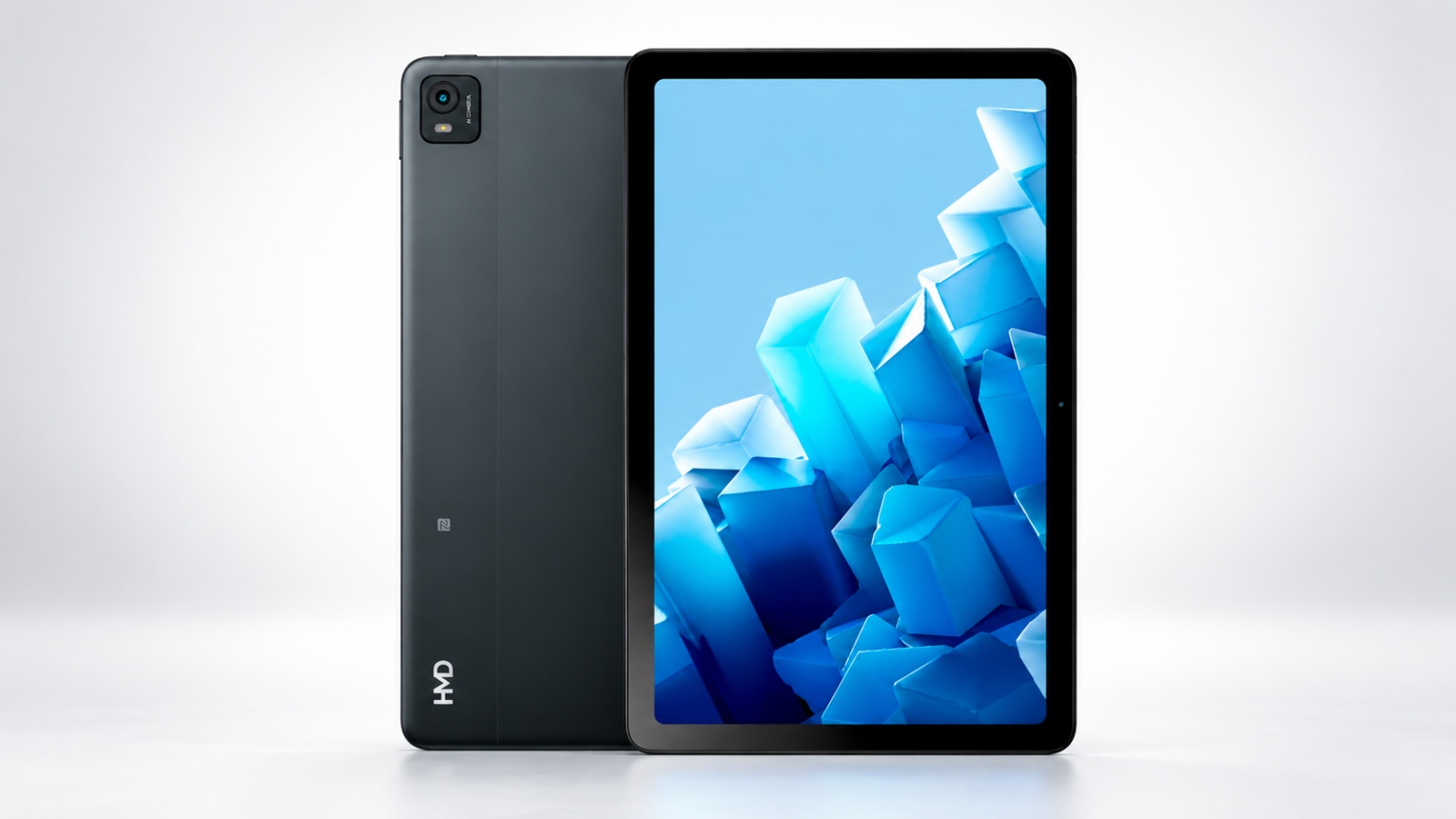
A compact Android tablet built around parent oversight rather than headline performance may be on the way from HMD and Xplora. A leak points to the Xplora Go Pad, an 8.7-inch tablet designed for children, with integrated 4G connectivity, web-activity monitoring, content blocking, and a claimed degree of protection against the rougher side of everyday use.
A portable tablet with cellular connectivity
The reported hardware centers on Qualcomm’s Snapdragon 685, a 6 nm chip with an integrated 4G modem. That combination could make the Go Pad more practical for supervised use away from home Wi-Fi, whether it is carried for travel, school-related activities, or entertainment on the go. The 8.7-inch IPS LCD format also places it in the small-tablet category, where one-handed portability can matter more than a large screen.
The available details suggest a device intended for browsing, educational content, video, and communication rather than demanding gaming. Charging is said to top out at 18W. Battery capacity, RAM, storage options, display resolution, and refresh rate have not been disclosed in the leak.
Safety tools appear to be the main feature set
Rather than treating a kids mode as an optional software layer, the Go Pad is reportedly being built around controls that parents can use to shape a child’s internet and app experience. The leaked feature list includes the following:
- Integrated parental controls
- Web-activity monitoring and detection
- Blocking for content considered harmful
- AI features aimed at education
- 4G cellular connectivity
- IP65 dust and water resistance
- Claimed drop resistance from heights up to 100 cm
This approach would extend HMD’s existing work with Xplora on child-focused devices. HMD’s Fuse, for example, uses HarmBlock AI to block nudity and certain types of content, while allowing parents to manage apps, contacts, and location. The Go Pad appears positioned to bring a similar philosophy to a larger screen suited to reading, video, and school-oriented use.
Android tablets from major brands often include tools for screen-time limits, app restrictions, and web filtering. What could distinguish the Xplora Go Pad is its apparent emphasis on those safeguards as the product’s central purpose, supported by cellular access and durability features instead of higher-end processing power.
HMD and Xplora have not announced the Xplora Go Pad, so its specifications and features remain unconfirmed. There is no word yet on pricing, U.S. availability, launch timing, battery size, or memory configurations. If the leak proves accurate, the tablet would target families seeking a small connected device whose child-safety controls are designed into the experience from the start.
Post Footer automatically generated by Add Post Footer Plugin for wordpress.